In modern healthcare settings, maintaining patient comfort, infection control, and operational efficiency is essential. One of the unsung heroes of hospital hygiene management is the Disposable Bed Underpad — a simple yet critical product that supports patient care while protecting staff time and hospital resources.
Whether you refer to them as Disposable Bed Pads, Disposable Pee Pads, or Bulk Disposable Bed Underpads, these products play a pivotal role in daily hospital operations. This buyer’s guide will walk you through everything your facility needs to know — from types and benefits to purchasing considerations and best practices.
What Are Disposable Bed Underpads?
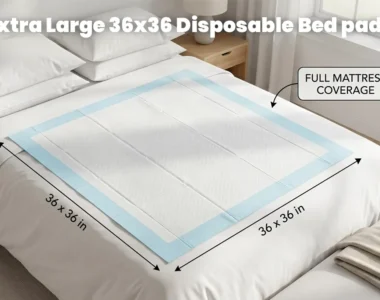
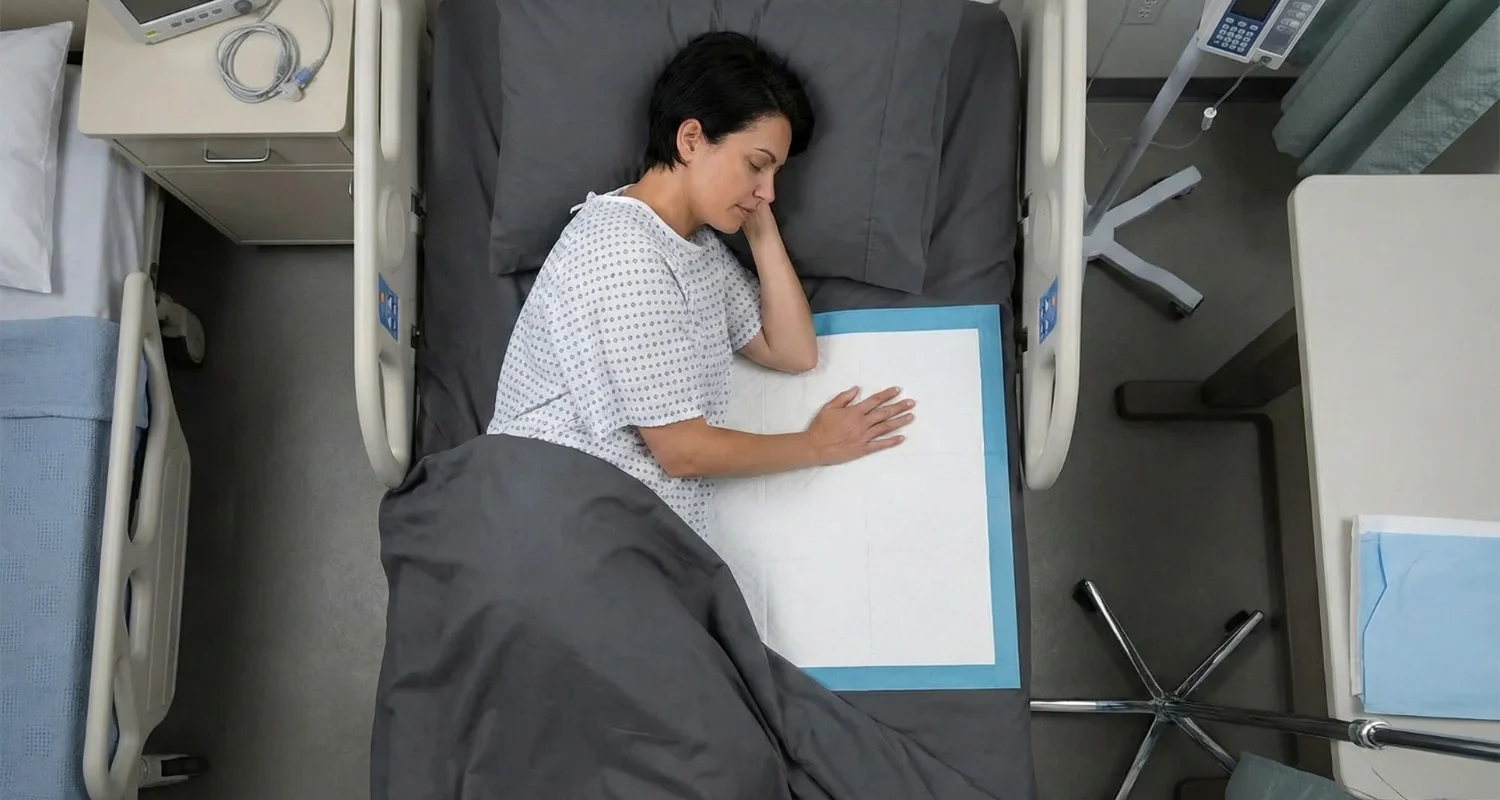
Disposable bed underpads are absorbent sheets designed to protect beds, stretchers, chairs, and other surfaces from moisture, bodily fluids, and spills. Made with multiple layers — typically a soft top sheet, an absorbent core, and a waterproof backing — these products trap liquids quickly and help maintain a clean, dry environment.
In hospitals, they are used for:
- Patients with incontinence
- During medical procedures
- Post-operative recovery
- Elder care and long-term care units
- Labor and delivery
- Diagnostic imaging
By offering a hygienic barrier between the patient and the surface beneath, underpads reduce linen changes, lower infection risks, and boost operational efficiency.

Why Hospitals Rely on Disposable Underpads
1. Patient Comfort and Dignity
Hospitals prioritize patient experience. Disposable bed pads are soft, non-irritating, and designed for comfort — crucial for patients who spend extended periods in bed. Their discreet design helps maintain dignity for individuals with limited mobility or incontinence concerns.
2. Enhanced Infection Control
Reusable solutions require laundering, which may not fully eliminate microbial contamination. Disposable Pee Pads are single-use, reducing the risk of cross-contamination and helping infection prevention teams maintain strict hygiene protocols. In environments like ICU, ER, and surgical units, this advantage is particularly critical.
3. Time and Labor Savings
Time is a precious resource in hospitals. Underpads help healthcare aides and nursing staff save hours that would otherwise be spent on bed changes and linen handling. Swift changes also reduce room turnover times, contributing to better patient flow.
4. Protects Mattresses and Furniture
The waterproof backing on disposable bed underpads shields mattresses, chairs, and trolleys from moisture damage. This protection extends the life of expensive hospital furnishings and reduces replacement costs.
5. Cost Efficiency Through Bulk Purchasing
When purchased in bulk, disposable underpads often cost less per unit than laundering reusable alternatives. For hospitals managing high daily usage across departments, buying Bulk Disposable Bed Underpads helps optimize budgets without sacrificing quality.
Types of Disposable Bed Underpads
Selecting the right underpad starts with understanding the types available. Here are common options:
1. Standard Disposable Underpads
These are general-purpose pads ideal for everyday hospital use. They provide reliable absorbency and leakage protection at an affordable price point.
2. High-Absorbency Underpads
Often used in units with higher risk of fluid exposure, such as post-surgical or incontinence care areas, these pads feature thicker cores that absorb larger volumes without leakage.
3. Large or Extended Underpads
For bariatric patients or areas requiring extra coverage, larger sizes offer wider protection coverage and enhanced comfort.
4. Premium Comfort Underpads
These products emphasize patient comfort with quilted surfaces and odor-control features — suitable for long-term care and recovery rooms.
5. Specialty Underpads
Some pads are engineered with quick-wicking layers or fast-dry technology, enhancing performance in high-traffic or critical care areas.
Key Features to Consider When Buying
When evaluating disposable underpads for your facility, consider the following:
Absorbency Level
Different clinical situations require different absorbency rates. Assess needs from low (light drips) to high (heavy incontinent flow).
Size and Coverage
Choose sizes that fit your patient populations and equipment. Standard, large, and bariatric sizes help ensure full protection.
Material Quality
Look for multi-layer construction with:
- A soft top layer for patient comfort
- A highly absorbent core (often fluff pulp, polymers)
- A leak-proof backing to prevent fluid escape
Leak Protection
Fluid containment is paramount. Reinforced edges and waterproof linings help prevent leakage onto mattresses or furniture.
Odor Control
Some underpads include materials that neutralize odor — a helpful feature for long stays or high-use areas.
Ease of Disposal
Consider environmental impact and waste handling. Look for products that balance performance with responsible disposal.
Bulk Purchasing: Smart Strategy for Hospitals
Hospitals consume Disposable bed underpads at high volumes. Strategic bulk purchasing offers:
Cost Savings
Buying in larger quantities reduces the per-unit cost and can align with hospital budget cycles.
Inventory Stability
Maintaining a healthy supply ensures no disruptions in patient care, even during seasonal surges or emergencies.
Supplier Partnerships
Long-term agreements with reliable vendors may include priority delivery, flexible ordering, and volume discounts.
When procuring bulk disposable underpads, work with supply chain teams to forecast usage across departments — including ER, ICU, surgical suites, maternity, and geriatrics — to determine the right order size.
Application Areas Within the Hospital
Disposable bed underpads are versatile and valued across many departments:
Emergency Department (ED)
Quick changes during high-turnover patient care prevent bed contamination and support fast throughput.
Intensive Care Units (ICU)
Critical patients often require frequent fluid management; high-absorbency Disposable bed underpads protect delicate beds and maintain sterility.
Operating Rooms
During procedures, underpads help manage spills and maintain sterile fields.
Labor & Delivery
Protecting beds from fluids during childbirth and postpartum recovery is essential for hygiene and comfort.
Medical/Surgical Floors
General wards use underpads for incontinent care, resting patients, and post-procedure recovery.
Rehabilitation & Long-Term Care
Comfort and dignity are priorities for extended stays — disposable pads help reduce bed changes and linen handling.
Best Practices for Use
To maximize the benefits of hospital underpads:
- Train staff on proper placement and disposal procedures.
- Rotate stock to ensure freshness and compliance with inventory standards.
- Monitor usage patterns to adjust pad sizes and absorbency levels based on real needs.
- Ensure proper waste segregation following hospital and EPA guidelines.
Read more: Disposable Bed Pads – A Practical Guide for Caregivers
Common Mistakes to Avoid
Avoid these pitfalls when managing your underpad supply:
- Underestimating demand — this can lead to shortages and emergency ordering at higher costs.
- Ignoring pad absorbency needs — pads that can’t handle the volume will compromise cleanliness.
- Choosing lowest-price only — poor quality leads to more changes, increased staff burden, and higher long-term costs.
Related Article: Disposable Pee Pads: The Ultimate Guide to Leak-Proof Comfort and Bed Protection
Conclusion
In the demanding environment of hospital care, Disposable Bed Underpads are more than just comfort products — they are essential tools that uphold infection control, protect patient dignity, and streamline clinician workflows.
By choosing the right disposable bed pads, understanding your facility’s needs, and making smart bulk-purchasing decisions, hospital procurement teams can improve care quality while optimizing costs.
If your hospital is evaluating options for Disposable Pee Pads, Bulk Disposable Bed Underpads, or advanced absorbency solutions — invest in products that deliver performance, reliability, and value. Your patients and staff will feel the difference every day.
Shop Now at bulk-price.com
FAQs for Disposable Bed Underpads
1. What are disposable bed underpads used for in hospitals?
Disposable bed underpads are used to protect beds, stretchers, and chairs from moisture, bodily fluids, and spills while maintaining hygiene and patient comfort.
2. Why should hospitals use disposable underpads instead of reusable ones?
Disposable underpads reduce cross-contamination risks, eliminate laundering needs, and improve infection control compared to reusable options.
3. What factors should hospitals consider when buying disposable bed underpads?
Hospitals should evaluate absorbency level, size, material quality, leak protection, and comfort to ensure proper performance across departments.
4. Is buying disposable bed underpads in bulk cost-effective?
Yes, bulk purchasing reduces per-unit cost, ensures consistent supply, and improves overall budget efficiency for high-usage hospital environments.
5. How often should disposable bed underpads be changed?
Disposable bed underpads should be replaced immediately after becoming wet or soiled to maintain hygiene and prevent infection risks.