Choosing the right compostable bowls in bulk 2026 can be a game-changer for anyone looking to reduce their environmental footprint. As we become more aware of our impact on the planet, switching to eco-friendly products like compostable bowls is a simple yet effective step. But with so many options out there, how do you know which one is the best for you? Let’s dive into the ultimate guide to help you make an informed choice.
Switching to compostable bowls is more than just a trend; it’s a commitment to sustainability. In 2026, the choices are plentiful, but finding the right one can be daunting. This guide is here to demystify the process and help you make a decision that’s good for you and the planet.
1) Why Choose Compostable Bowls?
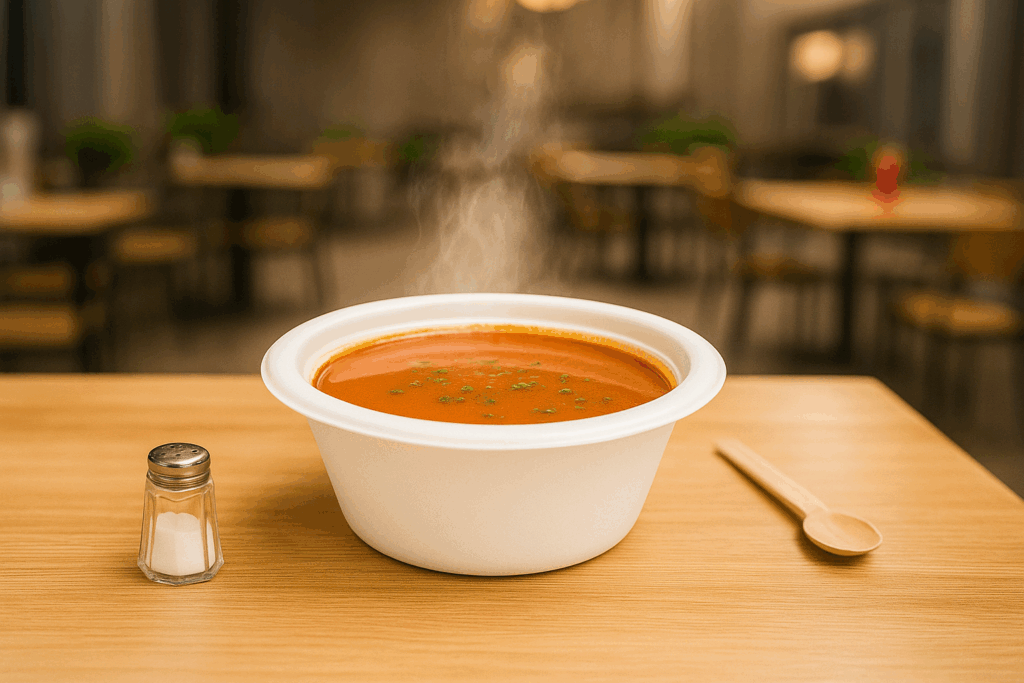
Why should you consider compostable bowls over traditional options? The bowls break down into natural elements in a compost environment, leaving no toxic residue. This means they reduce waste and the need for landfills, contributing to a cleaner, healthier environment.
2) What Makes a Bowl Compostable?
To be classified as compostable, a bowl must decompose completely into non-toxic components within a specific time frame under composting conditions. This is different from biodegradable items, which break down eventually but might leave behind harmful residues.
3) Types of Compostable Bowls
- Sugarcane Bowls: Made from the fibrous residue of sugarcane, these bowls are sturdy and ideal for both hot and cold foods.
- Bamboo Bowls: Bamboo is a highly renewable resource, making these bowls a great choice for eco-conscious consumers.
- Palm Leaf Bowls: These bowls are made from fallen palm leaves and add a rustic, elegant touch to any meal setting.
4) Materials Used in Compostable Bowls
- PLA (Polylactic Acid): Derived from fermented plant starch, PLA is a popular material for bowls. It’s durable and can handle both hot and cold foods.
- Bagasse: Bagasse, a byproduct of sugarcane processing, is another common material. It’s known for its strength and heat resistance.
- Cornstarch: Cornstarch-based bowls are lightweight and typically used for dry or semi-wet foods. They’re not as durable as other materials but are highly compostable.
- Comparing Compostable and Biodegradable: It’s easy to confuse compostable and biodegradable, but there’s a key difference. The bowls break down into non-toxic components within a composting system, while biodegradable bowls simply break down over time, potentially leaving harmful residues.
When choosing compostable bowls, consider:
- Durability: Will it hold up under the weight of your food?
- Heat Resistance: Can it withstand hot foods without breaking down?
- Compostability: How quickly and thoroughly does it compost?
Eco-Products
Known for their wide range of compostable items, Eco-Products offers durable and reliable compostable bowls. Green Wave focuses on high-quality, eco-friendly disposable products. Their bowls are sturdy and compostable.
Environmental Impact of Compostable Bowls
Using bowls helps reduce the amount of plastic waste in landfills and oceans. They also require less energy to produce compared to traditional plastic bowls, thus lowering your carbon footprint.
Cost vs. Benefit Analysis
While bowls can be more expensive than their plastic counterparts, the environmental benefits often outweigh the cost. Consider it an investment in a sustainable future.
5) Where to Buy Compostable Bowls
Online Retailers: Websites like Amazon, Eco-Products, and Green Wave offer a wide selection of compostable bowls.
Local Stores: Many grocery stores and eco-friendly shops now carry bowls. Check the eco-products aisle in your local supermarket.
Tips for Using Compostable Bowls: Avoid Overheating: While many compostable bowls can handle heat, avoid putting them in the microwave for extended periods.
Proper Storage: Store in a cool, dry place to maintain their integrity.
Educate Guests: If you’re hosting an event, inform guests that the bowls are compostable and where they should dispose of them.
6) Proper Disposal Methods
- Home Composting: If you have a home compost system, most compostable bowls can be composted at home. Ensure they’re cut into smaller pieces to speed up the process.
- Industrial Composting: Some bowls require the higher temperatures of industrial composting facilities to break down completely. Check with your local waste management services for availability.
- Recycling: While compostable bowls are not typically recyclable, it’s essential to follow local guidelines for waste disposal.
Conclusion
Choosing the right compostable bowls in USA involves understanding the materials, brands, and benefits. By opting for compostable options, you contribute to a healthier planet and reduce your environmental footprint. Remember, every small step counts toward a more sustainable future.
Frequently Asked Questions About Compostable Bowls in Bulk
What exactly does the term “compostable” mean when it comes to bowls, and how is it different from “biodegradable”?
Compostable bowls are designed to break down into non-toxic components within a defined composting environment, whereas biodegradable items may break down over time but could leave behind harmful residues.
What kinds of materials are commonly used for compostable bowls, and how do they compare in terms of durability and use?
Common materials include PLA (polylactic acid) derived from plant starch, bagasse (sugarcane by-product), and cornstarch. PLA and bagasse tend to offer better heat resistance and sturdiness, while cornstarch bowls may be lighter and suited for dry or semi-wet foods.
If I buy compostable bowls in bulk, what should I check to make sure I’m making a good sustainable choice?
You should look at durability (whether the bowl holds up with the food you’ll serve), heat resistance (especially for hot foods), and whether the bowls are genuinely compostable under the conditions available to you (home composting vs industrial composting).
How should compostable bowls be disposed of, and does the disposal method affect their eco-friendliness?
Yes — disposal matters. Some compostable bowls can be home-composted (often after cutting into smaller pieces to speed decomposition), while others require industrial composting facilities with higher temperatures. Recycling is typically not viable for these items.
Are compostable bowls more expensive than traditional plastic bowls, and is the extra cost justified?
Typically yes — compostable bowls often cost more than plastic alternatives. However, the environmental benefits (less plastic waste, lower carbon footprint) can justify the investment, depending on your values and efforts toward sustainability.
Discover more from Bulk Price
Subscribe to get the latest posts sent to your email.