

Bringing a puppy home is exciting, joyful, and—let’s be honest—a little messy at first. One of the biggest challenges new pet parents face is teaching their puppy where and when to go potty. If you live in an apartment, have limited outdoor access, or want a cleaner and more controlled training process, puppy pads training can be an excellent solution.
This in-depth guide will walk you through everything you need to know about puppy pad training, from setting up the right environment to building long-term habits. You’ll also learn how puppy pee pad training works, how to potty train a puppy indoors, and why Disposable Pee Pads are such a practical choice for modern dog owners.
What Is Puppy Pad Training?
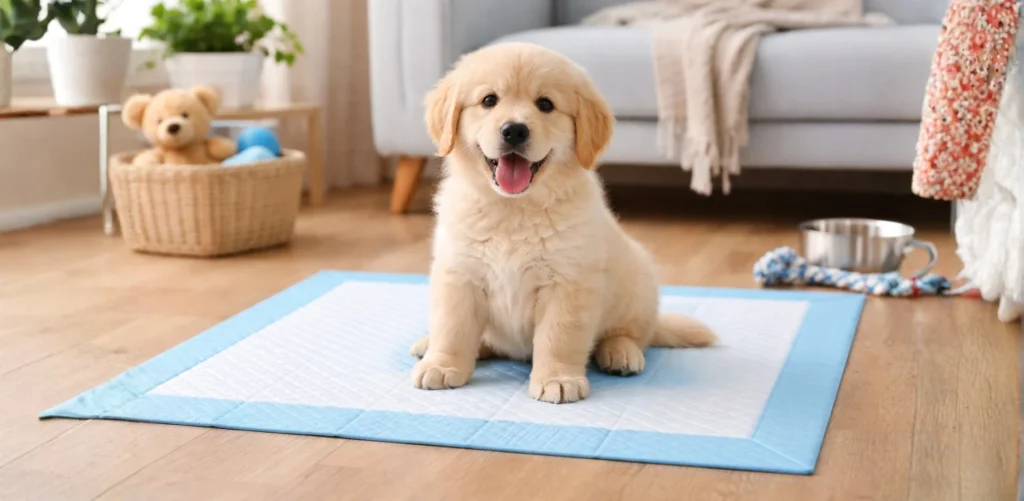
Puppy pad training is a method of house training where puppies are taught to relieve themselves on specially designed absorbent pads placed indoors. These pads are usually made with multiple layers that quickly absorb moisture, lock in odors, and prevent leaks.
Unlike traditional outdoor-only training, puppy pads provide your puppy with a consistent, easily accessible potty spot inside your home. This is especially useful during the early months when puppies have small bladders and limited control.
Why Choose Puppy Pad Training?
Puppy pad training isn’t just about convenience—it’s about setting your puppy up for success. Here’s why many pet parents prefer this method:
1. Ideal for Indoor Living
If you live in a high-rise apartment, have no immediate access to a yard, or deal with extreme weather, puppy pads make it easy to potty train a puppy indoors without stress.
2. Helps Puppies With Small Bladders
Young puppies need to go frequently—sometimes every 1–2 hours. Puppy pads prevent accidents by giving them a nearby, acceptable place to go.
3. Supports Busy Schedules
Not everyone can rush home every few hours. Disposable Pee Pads offer peace of mind when you’re at work or sleeping.
4. Useful for Long-Term Needs
Puppy pads aren’t just for puppies. They’re also helpful for senior dogs, dogs recovering from surgery, or pets with mobility issues.
Understanding Disposable Pee Pads
Disposable Pee Pads are the most popular choice for puppy pad training. They are designed for single use and offer several advantages:
- High absorbency to keep floors dry
- Leak-proof backing to protect surfaces
- Odor control layers for a fresher home
- Easy cleanup—just fold and discard
Because they are hygienic and convenient, disposable pads are perfect for beginners learning puppy pee pad training.
Setting Up for Puppy Pad Training Success
Before you start training, preparation is key.
Step 1: Choose the Right Location
Pick a quiet, low-traffic area of your home. Avoid placing pads near your puppy’s food, water, or sleeping area. Puppies naturally avoid eliminating where they eat or rest.
Step 2: Limit the Space
During early training, restrict your puppy’s access to one area using baby gates or playpens. This helps them associate the pad with potty time.
Step 3: Secure the Pad
Make sure the pad lies flat and doesn’t move. Some puppies think loose pads are toys, which can slow down training.
How to Train a Puppy Using Puppy Pads (Step-by-Step)
Step 1: Introduce the Pad
Let your puppy sniff and explore the pad. Don’t force them—curiosity will do the job naturally.
Step 2: Follow a Schedule
Timing is everything in puppy pad training. Take your puppy to the pad:
- First thing in the morning
- After meals
- After naps
- After playtime
- Before bedtime
Consistency helps your puppy understand what’s expected.
Step 3: Use Verbal Cues
Choose a simple phrase like “go potty” and use it every time your puppy is on the pad. Over time, they’ll associate the words with the action.
Step 4: Reward Immediately
As soon as your puppy uses the pad correctly, praise them enthusiastically and offer a small treat. Positive reinforcement is the fastest way to reinforce good behavior.
Step 5: Handle Accidents Calmly
Accidents will happen—it’s part of the process. Never punish your puppy. Clean the area thoroughly and continue training with patience.
Puppy Pee Pad Training Timeline: What to Expect
Every puppy is different, but here’s a general idea of how progress looks:
- Week 1: Puppy begins recognizing the pad
- Week 2: Fewer accidents, more consistent use
- Week 3–4: Puppy seeks out the pad on their own
Some puppies learn faster, while others take more time. Consistency and encouragement are key.
Common Puppy Pad Training Mistakes to Avoid
Even with the best intentions, mistakes can slow progress.
❌ Using Too Many Pads
Multiple pads can confuse your puppy. Start with one designated spot.
❌ Moving the Pad Too Often
Consistency matters. Frequent changes can disrupt learning.
❌ Skipping Rewards
Praise and treats reinforce good behavior. Don’t skip them.
❌ Expecting Perfection Too Soon
Puppies are learning. Be patient and realistic.
Transitioning From Puppy Pads to Outdoor Potty Training
If your long-term goal is outdoor potty training, puppy pads can still help.
Gradual Transition Tips:
- Move the pad closer to the door over several days
- Place a pad outside in the desired potty spot
- Reduce indoor pad use slowly
This step-by-step approach prevents confusion and anxiety.
Benefits of Potty Training a Puppy Indoors
Choosing to potty train a puppy indoors using pads offers several long-term advantages:
- Less stress during early months
- Cleaner floors and fewer accidents
- Better routine development
- Ideal for urban living
For many pet parents, indoor training is not just a temporary phase—it’s a lifestyle solution.
How Long Should You Use Disposable Pee Pads?
There’s no fixed timeline. Some puppies transition to outdoor potty habits within months, while others continue using Disposable Pee Pads long-term. The choice depends on:
- Your living situation
- Your puppy’s size and breed
- Your daily schedule
The key is choosing what works best for both you and your dog.
Tips to Make Puppy Pad Training Faster
- Stick to a routine
- Use high-quality absorbent pads
- Keep the pad area clean
- Watch for sniffing or circling (signs they need to go)
- Be patient and consistent
Final Thoughts: Is Puppy Pad Training Worth It?
Absolutely. Puppy pad training is a practical, flexible, and effective way to house train your puppy—especially in indoor environments. With the right setup, quality Disposable Pee Pads, and a consistent routine, your puppy can learn healthy potty habits that last a lifetime.
Whether you’re just starting puppy pee pad training or refining your indoor routine, remember that training is a journey. Stay positive, stay consistent, and enjoy watching your puppy grow into a confident, well-trained companion.
