

Disposable Bed Pads
Reliable and leak-proof disposable bed pads make caring for the patient so much easier and ensure that the surfaces you care for most are spared the mess. From taking care of an aging parent to recovering from surgery, potty training a child, or helping with a pet, our disposable bed pads keep surfaces clean and dry.
The disposable underpads feature a soft top layer, a fast-absorption core, and a waterproof backing for worry-free protection day and night. That’s the baseline every disposable underpad is built from, and because everything ships by the case, you’re not stuck reordering every few weeks.
-
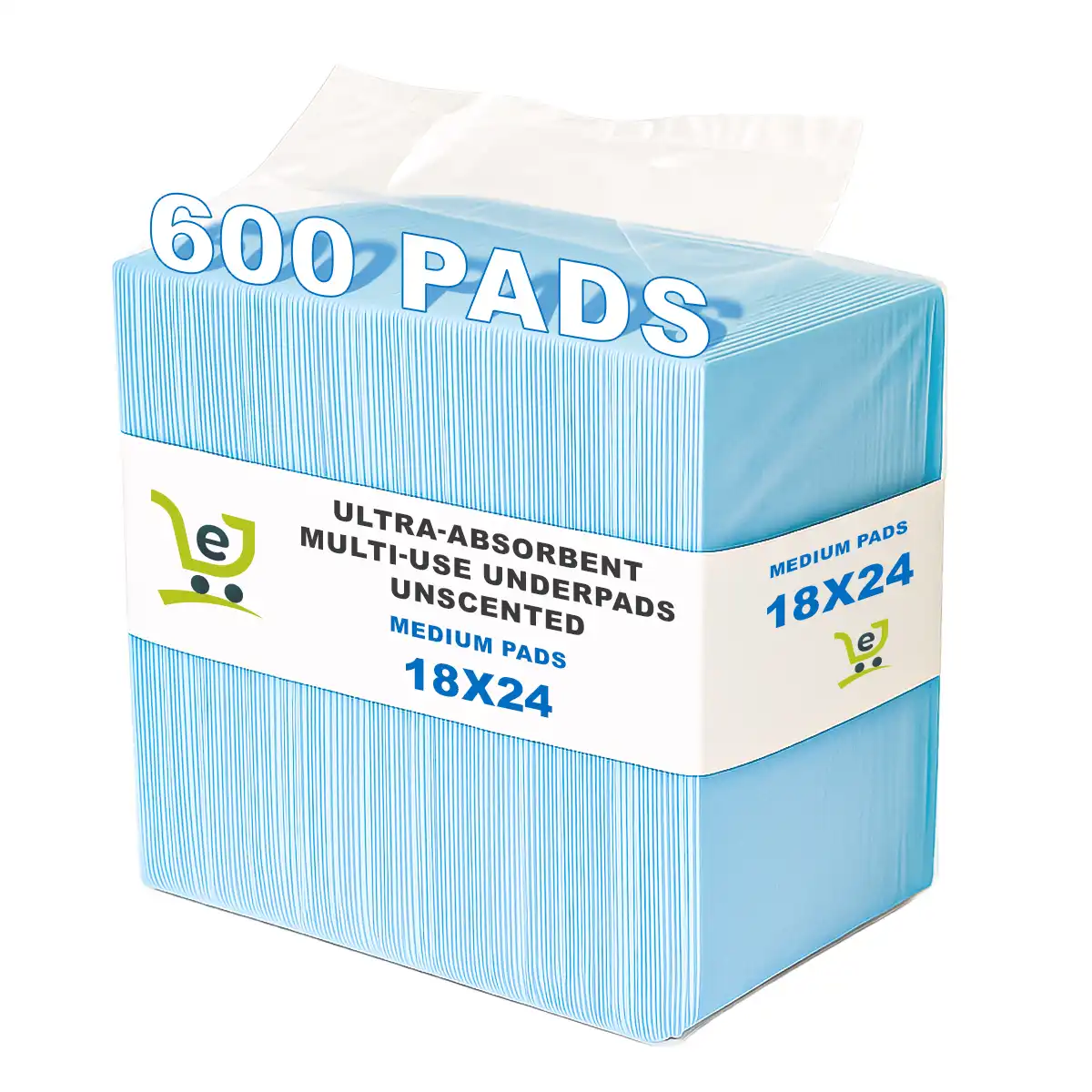
Medium Disposable Bed Underpads – Leak-Proof & Highly Absorbent (18″ x 24″)
Medium Disposable Bed Underpads – Leak-Proof & Highly Absorbent (18″ x 24″)
Protect your bedding and furniture with our Medium Disposable Bed Underpads. Designed for moderate coverage, these pads offer superior absorption, odor control, and leak-proof protection for kids, adults, and seniors.
$121.99 -
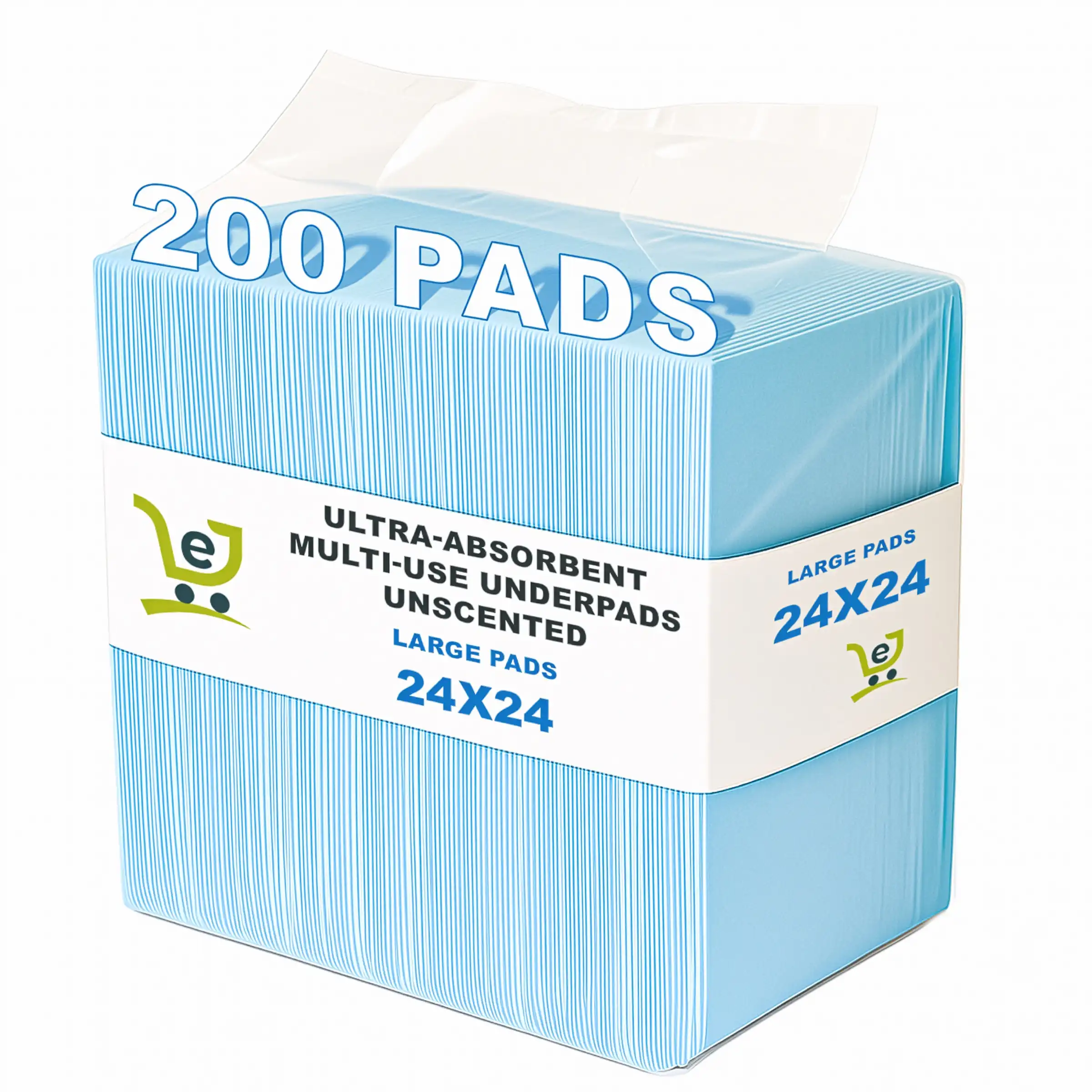
Large Disposable Bed Underpads 24×24 Inch – Leak-Proof Protection
Large Disposable Bed Underpads 24×24 Inch – Leak-Proof Protection
Experience peace of mind with our Large Disposable Bed Underpads. Measuring 24×24 inches, these pads offer heavy absorbency and a leak-proof design, ensuring optimal protection for beds, chairs, and other surfaces. Ideal for adults and seniors managing incontinence.
$84.99 -
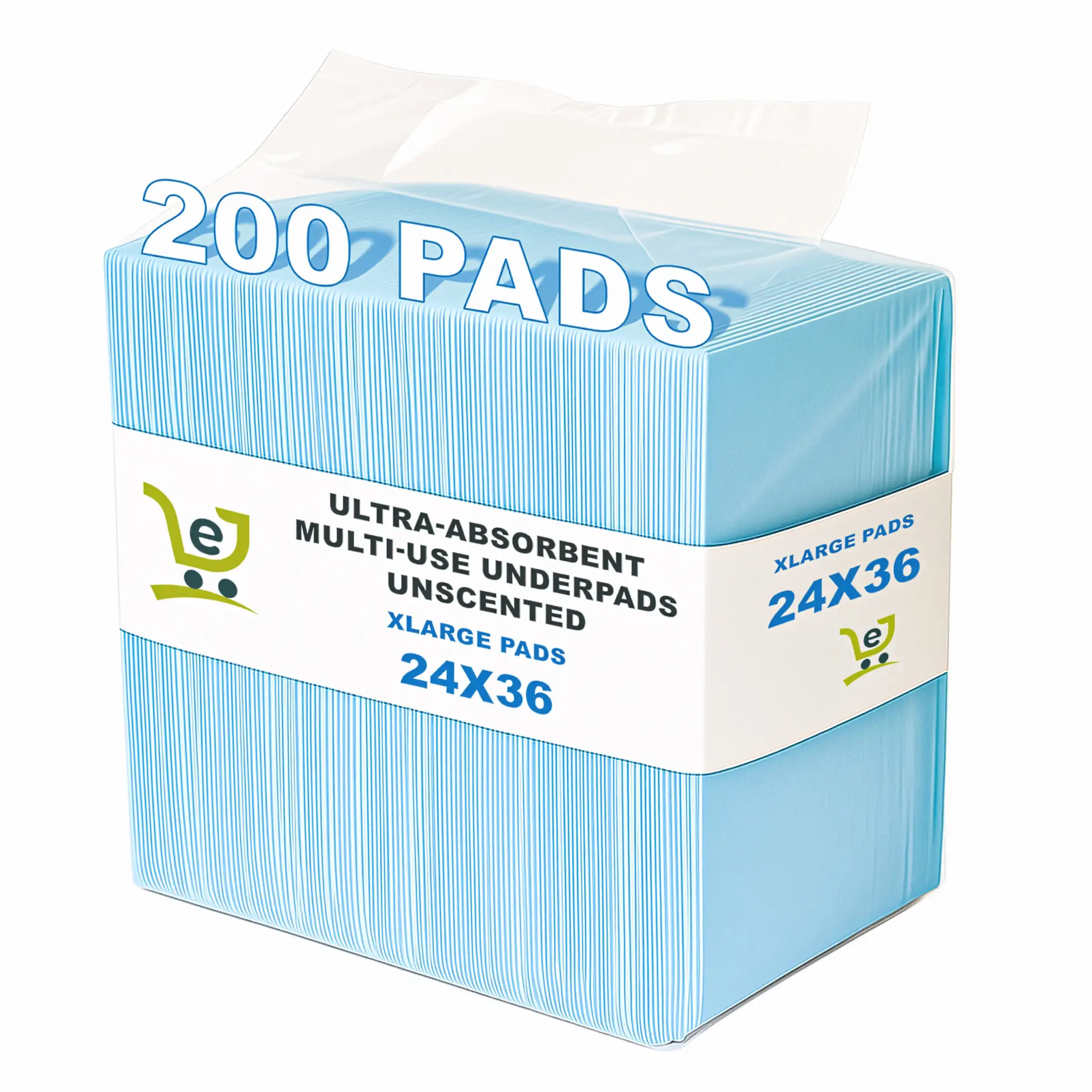
XL Disposable Bed Underpads 24×36 Inch 200 Count – Ultra Absorbent
XL Disposable Bed Underpads 24×36 Inch 200 Count – Ultra Absorbent
Our XL Disposable Bed Underpads provide extra coverage and exceptional absorption for beds, chairs, and other surfaces. Ideal for adults and seniors, these pads ensure leak-proof protection and maximum comfort.
$89.99 -
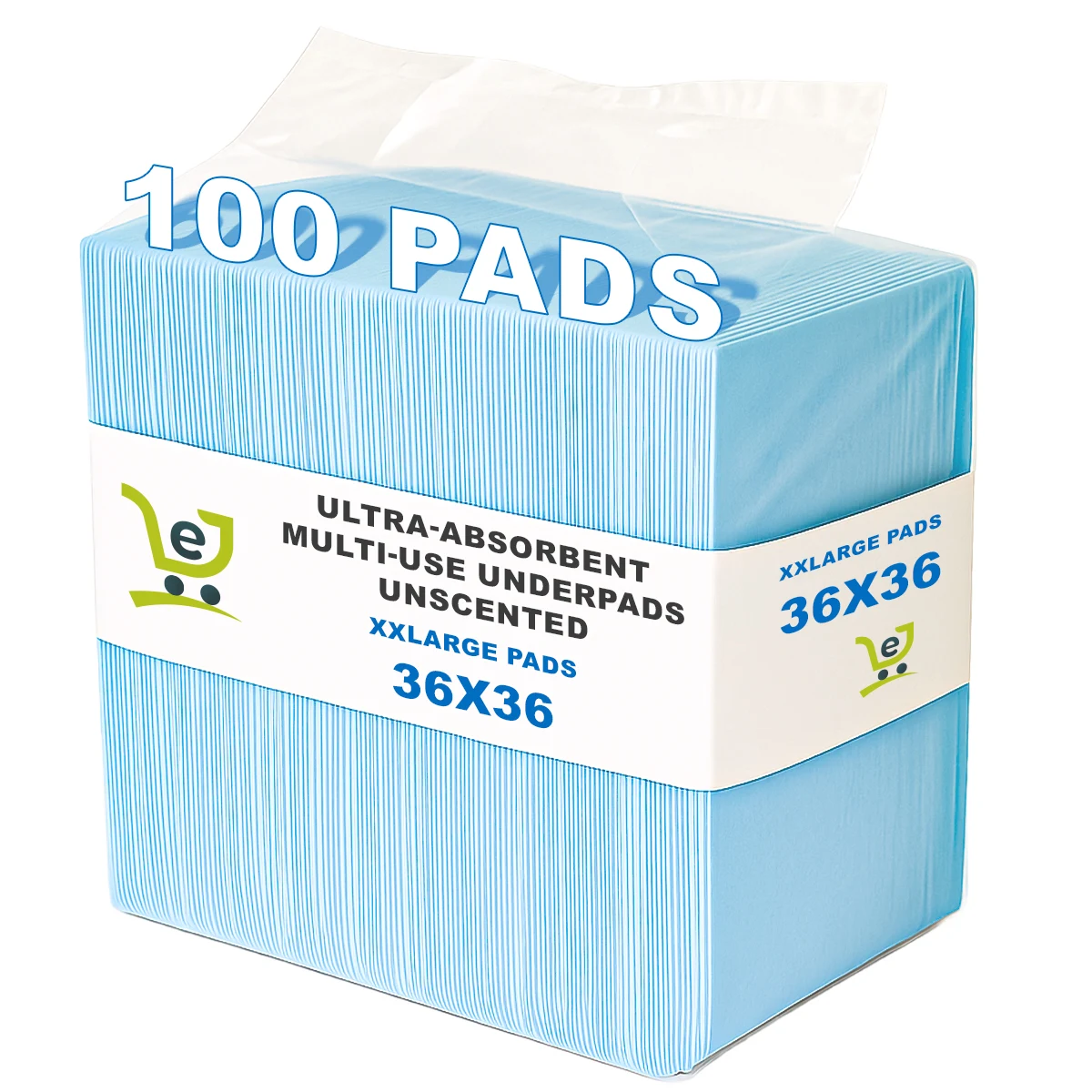
XXL Disposable Bed Underpads 36×36 Inch – Maximum Absorption & Leak-Proof Protection
XXL Disposable Bed Underpads 36×36 Inch – Maximum Absorption & Leak-Proof Protection
Experience ultimate protection with our XXL Disposable Bed Underpads. Designed for maximum coverage, these pads feature superior absorption, leak-proof backing, and unmatched comfort for beds, chairs, and large furniture surfaces.
$95.99 -
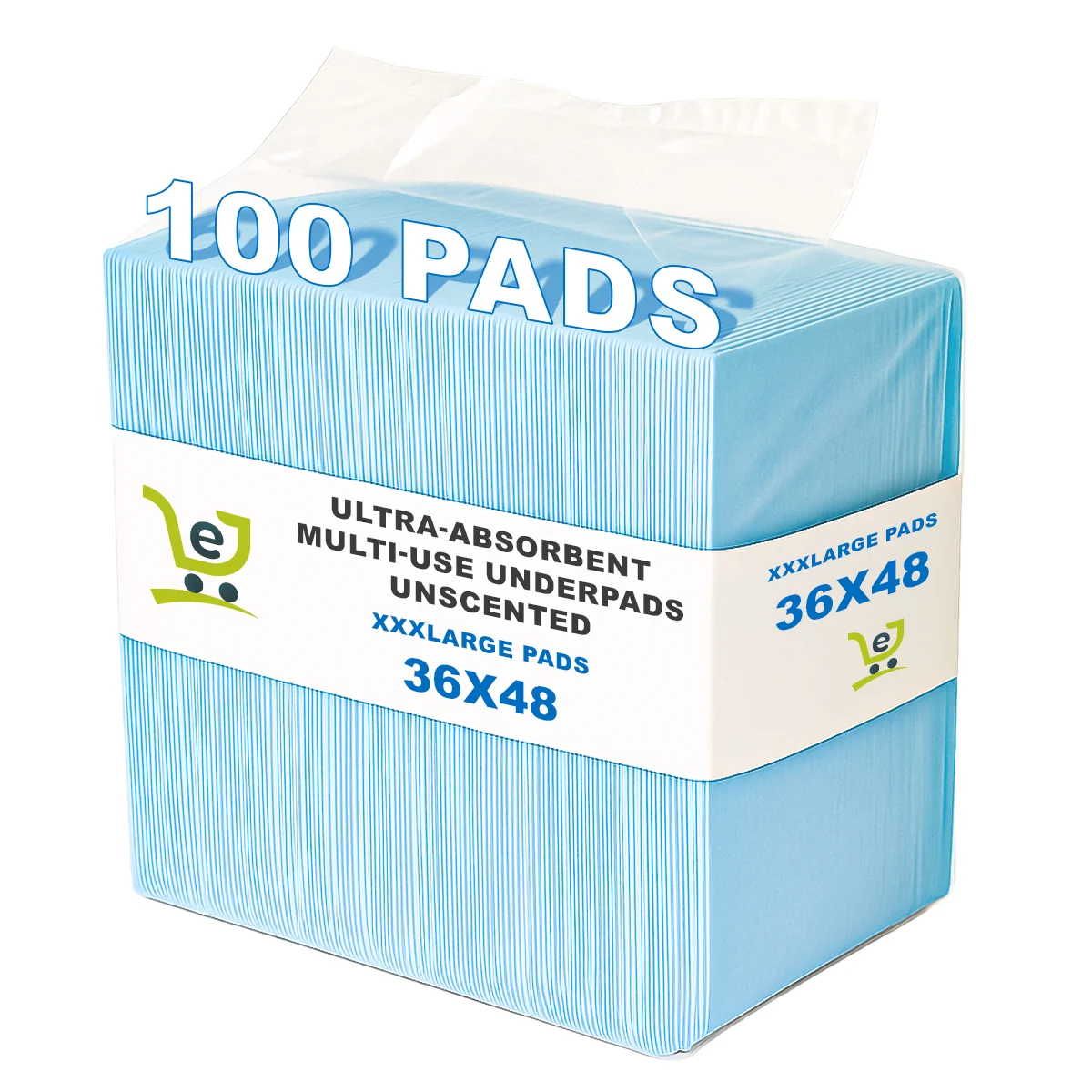
XXXL Disposable Bed Underpads 36×48 Inch
XXXL Disposable Bed Underpads 36×48 Inch
Ensure ultimate protection with our XXXL Disposable Bed Underpads. Designed for maximum coverage and heavy absorbency, these pads offer reliable leak-proof backing and unmatched comfort for large surfaces, ideal for adults and seniors.
-
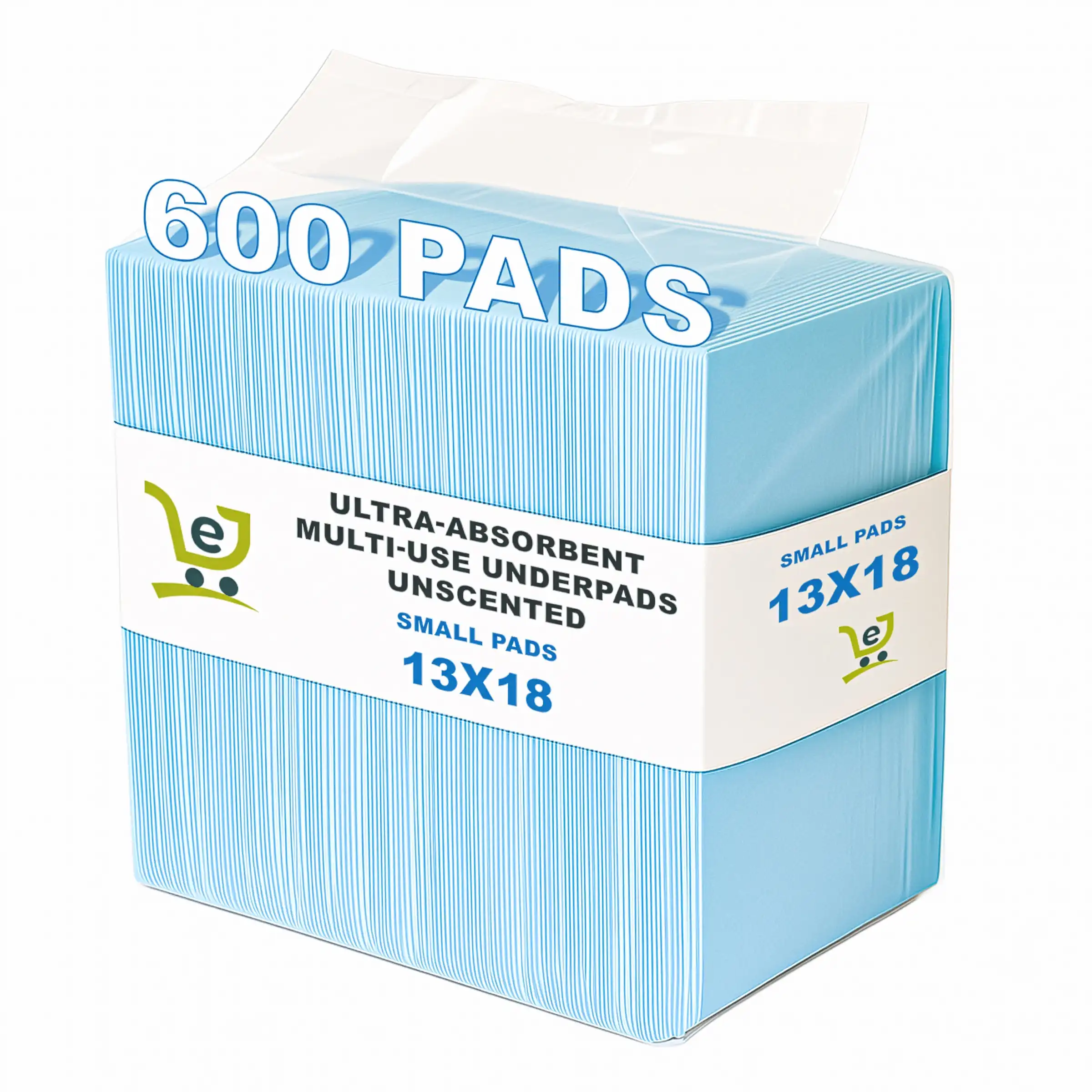
Small Disposable Bed Underpads 13×18 Inch 600 count – Leak-Proof & Super Absorbent
Small Disposable Bed Underpads 13×18 Inch 600 count – Leak-Proof & Super Absorbent
Protect your bedding and furniture with our Small Disposable Bed Underpads. Ideal for kids, adults, and seniors, these pads offer superior absorption, leak-proof backing, and comfort for day or nighttime use.
$89.99
Who Needs These, and Why
Disposable underpads are also known as disposable bed pads, chux pads, or incontinence bed pads. These are pads that are designed to be placed between a person and the bedding under them. The top layer is soft against the skin, the middle absorbs and retains water, and the last layer is waterproof, preventing moisture from coming into contact with the mattress, chair, or any other surface it is protecting against.
| Who Uses Them | Why They Work |
|---|---|
| Family caregivers | Overnight protection for aging parents without disrupting sleep for bed changes |
| Home health aides | Quick layer swaps between pad changes during extended care shifts |
| Nursing facilities | High-volume protection across multiple beds without laundry overhead |
| Post-surgery recovery | Medical-grade absorbency for those managing temporary incontinence post-op |
| Parents of young children | Potty training protection that keeps mattresses clean without waterproof covers |
| Pet owners | Multi-surface fluid management for aging or incontinent dogs |
The 3 Things to Consider Before Buying
Size and absorbency are where most first-time buyers get it wrong.
Size. Pads are available in a variety of sizes, ranging from 18”x24” chair-sized all the way to 36”x36” for full coverage. If the person you’re caring for moves around at night, size up. A 24″x36″ pad covers the lower-back-to-thigh area where most leaks occur, making space for repositioning.
Absorbency. Light pads can be used for small messes and potty training. Heavy and maximum-absorbency pads, the kind hospitals stock. Use a polymer core built for six to eight hours of overnight use. Past occasional, light use, heavy absorbency really isn’t optional.
Backing and skin contact. A waterproof backing is non-negotiable, and a dimpled, non-skid back keeps a pad from sliding mid-sleep. For sensitive or fragile skin, which describes a lot of elderly patients and post-surgical cases, the top layer should breathe rather than trap moisture against the skin.
Overnight Bed Protection: Getting It Right
Overnight use is where adult incontinence pads for beds earn their keep or fail completely. Eight or more hours of uninterrupted use puts real demands on absorbency and backing integrity. A few practical points that make the overnight setup work better:
- Position the pad from the lower back to mid-thigh; this covers the highest-risk area for leakage during sleep regardless of sleep position.
- If the incontinence is heavy, use two pads, one underneath the other, so that a night pad change is quicker, and the top pad can be removed without disturbing the whole pad.
- If the person in care moves a lot when asleep, seek out a pad with a non-skid dimpled bottom or pads larger than standard size. A 36″ x 36″ width holds up longer than a smaller alternative.
- For facilities doing routine check schedules every 2–3 hours, moderate absorbency pads are sufficient. For home settings where overnight monitoring isn’t constant, heavy absorbency underpads are the safer choice.
Beyond the Bed: Other Surfaces These Pads Protect
The term “bed pads” undersells how many surfaces these products actually protect. Caregivers use disposable mattress protectors across a range of settings beyond the bedroom:
- Wheelchairs and transport chairs: A chair-sized underpad (typically 17″ x 24″) prevents moisture from reaching cushion materials that are difficult or impossible to sanitize quickly.
- Sofas and recliners: For those who spend most of the day in a living room chair, protection shouldn’t be limited to the bed. Standard-size pads work well on any upholstered surface.
- Car seats: During medical transport or routine trips to appointments, a folded underpad provides discreet protection without the bulk of specialty car seat covers.
- Potty training: Parents who’ve gone through potty training know the floor around the toilet sees just as many accidents as anywhere else. A pad positioned there cuts cleanup time significantly.
- Post-surgery and wound care: Absorbent underpads are frequently used on treatment surfaces during wound care changes, where containing drainage is as important as comfort.
If you’re already buying bed pads for one use case, it’s worth recognizing how many other situations in your home or facility they quietly solve.
Why 30,000+ Buyers Trust Bulk-Price
A lot of suppliers list bulk personal care products. Fewer of them are actually built for commercial purchasing. Here’s what makes Bulk-Price different for caregivers and facilities who need reliability, not just availability.
- Built for bulk from day one. Pricing is structured around volume, not retail markup with a wholesale label slapped on. Order more, and the per-unit cost works further in your favor.
- Over 1.9 million products shipped. The fulfillment infrastructure is already in place. Large orders, consistent lead times, no scrambling mid-season.
- Free shipping on qualified orders, across the U.S. No hidden freight cost inflating your per-case price after checkout.
- SSL-secured checkout. Your purchasing data stays protected, full stop.
- A real support team. When you’re managing a large order and need a fast answer, someone’s actually there to give it.
- Consistent quality, case after case. No surprises that force you to double-check specs before every order.
FAQs
How many hours can a disposable bed pad hold before it needs changing?
Light pads handle two to four hours of moderate use. Heavy pads or hospital-strength pads may stretch overnight to six or eight hours, but changing every 4-6 hours is still a better option for skin health for those with heavy incontinence.
Are these pads safe for sensitive or fragile skin?
Generally, yes. Quality pads use a latex-free, non-woven top layer built for direct skin contact. The actual secret lies in the ability to change pads quickly and not leave them on for too long, particularly for senior citizens or those who have undergone surgery.
Can disposable underpads be used on surfaces besides beds?
Yes, and plenty of caregivers already do this. Wheelchairs, sofas, recliners, car seats, and treatment surfaces during wound care are all common, with chair-sized pads fitting wheelchair seats without extra bulk.
Is it cheaper to buy reusable or disposable bed pads long-term?
While reusable pads are a lower cost each use over time, they require water, energy, and cleaning up (labor) that aren’t used by disposables. Buying disposable bed pads in bulk narrows the cost gap considerably, especially anywhere laundry capacity or infection control is already stretched thin.
How should used bed pads be disposed of?
Roll or fold the pad inward, soiled side in, and toss it in a lined bin. They’re not flushable. In clinical settings, contaminated pads may need to follow regulated medical waste rules depending on local guidelines.
Order in Bulk. Save on Every Pad.
The cost difference between buying disposable bed pads in small retail packs versus ordering in volume from BulkPrice.com is significant, and it compounds quickly when protection is a daily need.
Explore the full range of disposable underpads and incontinence bed pads available at Bulk-Price, with free shipping on qualified orders and no steep minimum order requirements. You can also browse the full personal care and hygiene range for other supplies that support daily caregiving routines.