
In today’s world, where reducing waste and protecting the planet is more important than ever, compostable trash bags are becoming a smart and sustainable alternative to traditional plastic bags. Unlike conventional trash bags that take centuries to break down, compostable options are designed to decompose naturally, leaving no harmful residue behind. If you’ve been searching for eco-friendly waste solutions, drawstring compostable trash bags are a convenient and responsible choice.
This blog will walk you through everything you need to know about compostable trash bags: what they are, their benefits, how they compare with plastic bags, and tips for using them effectively at home or in business.
What Are Compostable Trash Bags?
Compostable trash bags are made from renewable plant-based materials such as cornstarch, vegetable oils, or PLA (polylactic acid). Unlike biodegradable bags, which may still contain plastics, compostable bags meet specific industry standards (such as ASTM D6400 in the U.S.) to ensure they fully break down in composting environments.
These bags:
– Leave no toxic residue.
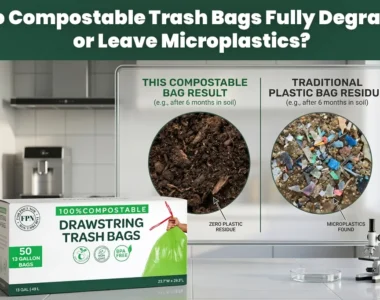
– Turn into water, carbon dioxide, and organic matter within a controlled composting system.
– Are often certified BPA-free and safe for everyday use.
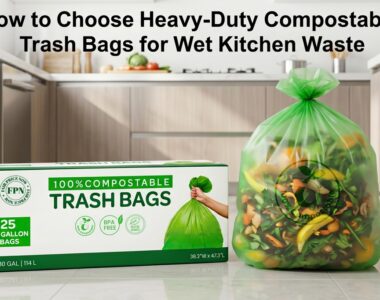
Drawstring compostable trash bags combine eco-friendliness with convenience, making them easy to tie, carry, and dispose of.
Why Choose Compostable Trash Bags?
1. Environmentally Friendly: Regular plastic trash bags can take up to 1,000 years to decompose, while compostable trash bags break down naturally within months. This reduces landfill waste and prevents microplastics from contaminating soil and oceans.
2. Safe & Non-Toxic: Compostable bags are usually free from BPA, phthalates, and other harmful chemicals found in plastics. This makes them safer for both humans and wildlife.
3. Durable & Reliable: There’s a misconception that eco-friendly bags are weak. However, modern compostable trash bags are strong, puncture-resistant, and capable of holding everyday waste without tearing.
4. Supports a Circular Economy: When paired with compostable or organic waste, these bags return nutrients back to the soil. Instead of ending up in a landfill, your waste becomes compost that helps new plants grow.
Compostable vs. Biodegradable vs. Plastic Trash Bags
| Feature | Compostable Trash Bags | Biodegradable Bags | Plastic Bags |
| Material | Plant-based, renewable | May contain some plastics | Petroleum-based plastics |
| Decomposition | Months in composting conditions | Years, varies by conditions | 500–1000 years |
| Residue | Organic matter only | May leave microplastics | Non-biodegradable waste |
| Certification | ASTM D6400, EN 13432 | Often lacks strict standards | None |
Take a look at our blog post for more information: Compostable vs Biodegradable: The Ultimate Guide for Eco-Conscious Consumers
Common Uses of Compostable Trash Bags
– Kitchen food waste
– Bathroom bins
– Yard waste like leaves and clippings
– Pet waste disposal
– Office sustainability programs
How to Use Bags Effectively
1. Store in a cool, dry place.
2. Use within 9–12 months of purchase.
3. Avoid overloading or using with sharp objects.
4. Compost when possible, instead of tossing into general trash.
Benefits for Businesses
Businesses switching to compostable bags can:
– Reduce environmental footprint.
– Improve brand reputation.
– Meet sustainability goals.
– Appeal to eco-conscious customers.
Hotels, restaurants, and schools especially benefit from adopting compostable solutions.
Certifications to Look For
Look for trusted certifications to ensure bags are genuinely compostable:
– ASTM D6400 (U.S.)
– EN 13432 (Europe)
– BPI Certified
The Future of Waste Management
As bans on single-use plastics increase, compostable trash bags are becoming essential for both households and businesses. They represent a simple change that leads to a major environmental impact.
Tips for Choosing the Right Compostable Trash Bags
– Match the size to your bin.
– Choose thicker bags for heavier loads.
– Prefer drawstring bags for convenience.
– Verify certifications to avoid misleading “biodegradable” claims.
Conclusion
Switching to compostable trash bags is one of the simplest yet most effective steps you can take toward a sustainable lifestyle. Durable, BPA-free, and eco-friendly, they provide a safe waste solution for both homes and businesses while protecting the planet.
FAQs Compostable Trash Bags
1. What are compostable trash bags made of?
Compostable trash bags are made from plant-based materials like cornstarch, PLA (polylactic acid), and vegetable oils, making them eco-friendly and free from harmful plastics.
2. How long do compostable trash bags take to decompose?
They typically break down within 3–6 months in proper composting conditions, leaving no toxic residue behind.
3. Are compostable trash bags strong and leak-proof?
Yes, modern compostable bags are durable, tear-resistant, and designed to handle everyday household waste without leaking.
4. Can compostable trash bags be used in regular trash bins?
Yes, they can be used in regular bins, but for proper decomposition, they should ideally be disposed of in composting systems.
5. Are compostable trash bags safe for home and pets?
Most compostable bags are BPA-free and non-toxic, making them safe for home use, including pet waste disposal.