In a world increasingly burdened by plastic waste, compostable trash bags are emerging as a sustainable solution that aligns with zero-waste living and eco-conscious lifestyles. But what are compostable trash bags, how do they work, and why should you make the switch from conventional plastic? This comprehensive guide covers everything you need to know.
What Are Compostable Trash Bags?
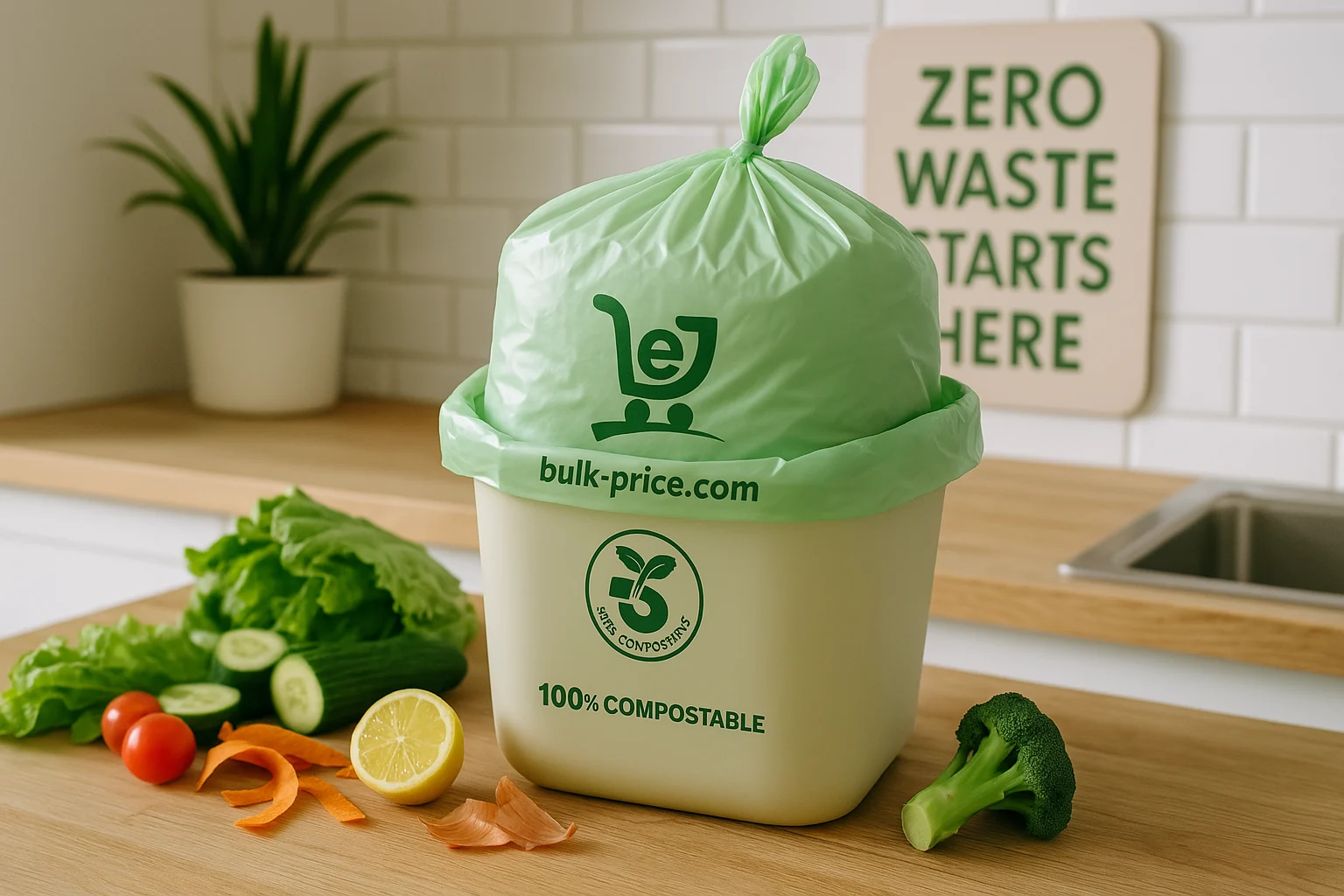
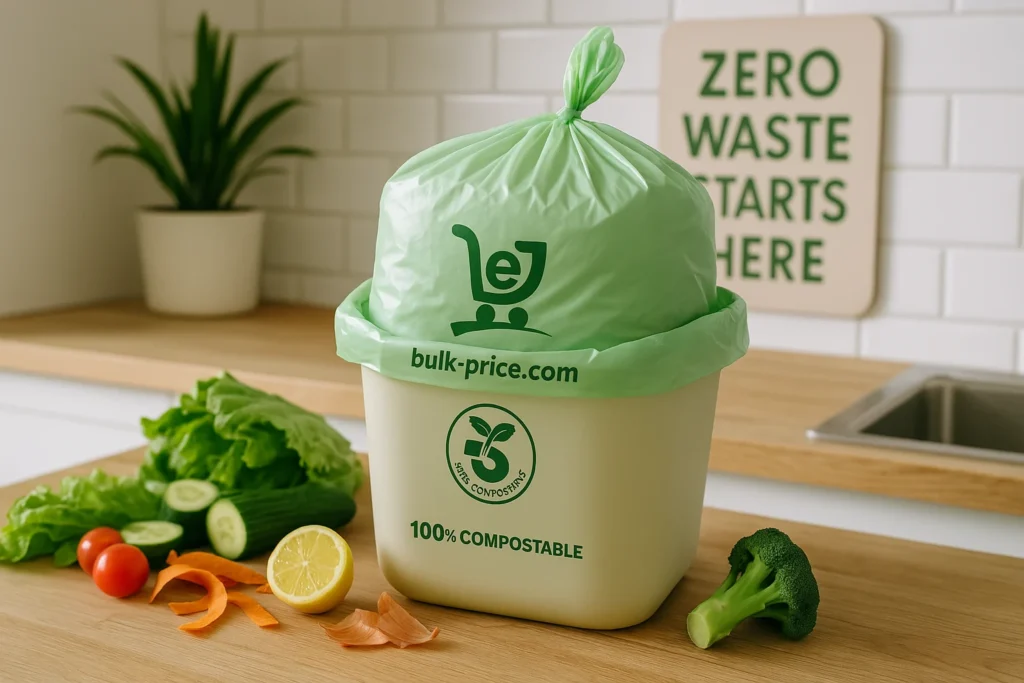
Compostable trash bags are made from plant-based, renewable materials such as cornstarch, vegetable oils, or polylactic acid (PLA), a biodegradable polymer derived from fermented plant starch. Unlike traditional plastic bags that are petroleum-based and take centuries to degrade, compostable trash bags are designed to break down naturally into non-toxic elements like water, carbon dioxide, and biomass within months under proper composting conditions.
To qualify as compostable, these bags must meet rigorous standards like ASTM D6400 or ASTM D6868, and be certified by organizations such as the Biodegradable Products Institute (BPI). These certifications ensure the bags will decompose completely and safely in industrial composting environments.
How Do Compostable Trash Bags Work?
Compostable trash bags work by decomposing through microbial activity in the presence of moisture, heat, and oxygen. In industrial composting facilities, where conditions are carefully controlled (temperatures around 140°F, high humidity, and constant aeration), compostable bags can fully degrade within 2 to 4 months.
In home composting systems, where conditions are more variable, decomposition may take 6 to 12 months. Proper moisture, a balance of green (nitrogen-rich) and brown (carbon-rich) materials, and regular turning can accelerate the breakdown process.
Why You Should Use Compostable Trash Bags
1. Reduce Plastic Pollution
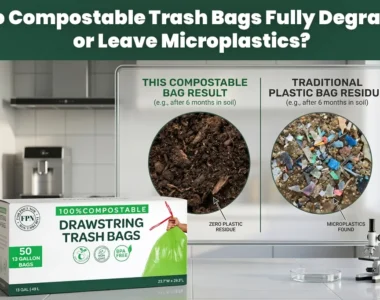
Plastic bags are a major contributor to long-term pollution. They persist in landfills, oceans, and waterways for hundreds of years, releasing microplastics and toxic chemicals. Compostable trash bags, on the other hand, fully decompose into organic matter, leaving no harmful residue.
2. Support Renewable Resources
By choosing compostable bags made from renewable raw materials like cornstarch or PLA, you help reduce dependency on fossil fuels and support more sustainable agricultural practices.
3. Lower Greenhouse Gas Emissions
Traditional plastic bags contribute to methane emissions as they slowly degrade in landfills. Compostable trash bags emit significantly fewer greenhouse gases, helping to combat climate change.
4. Enrich Soil Through Composting
When used correctly, compostable bags can turn into nutrient-rich compost that improves soil health and supports sustainable farming or home gardening.
5. Align with Zero Waste Goals
Whether you’re a homeowner or a business, switching to compostable bags helps you divert organic waste from landfills, close the loop on waste cycles, and work toward zero waste initiatives.
Where to Use Compostable Trash Bags
Compostable trash bags are versatile and can be used in many settings:
- Kitchen waste: Ideal for collecting food scraps.
- Yard trimmings: Leaves, branches, and grass clippings.
- Bathroom bins: For organic personal care waste.
- Commercial kitchens and restaurants: Especially those committed to green practices.
- Municipal programs: Where curbside compost collection is available.
Best Practices for Using Compostable Trash Bags
1. Use Only for Biodegradable Waste
Only place organic material like food scraps, coffee grounds, and yard waste in compostable bags. Do not mix in plastics, glass, or metals, as they interfere with the composting process.
2. Choose Certified Bags
Look for BPI-certified compostable trash bags to ensure compliance with composting facility requirements.
3. Store in a Cool, Dry Place
Because compostable bags are sensitive to heat and humidity, they should be stored away from direct sunlight and moisture to prevent premature degradation.
4. Match the Bag Size to the Bin
Bags are available in various sizes, from small 3-gallon liners to 33-gallon yard bags. Choose a size that fits your needs to avoid tearing and overfilling.
5. Use Within a Reasonable Timeframe
Compostable bags have a shorter shelf life than traditional plastic. Use them within 6 to 12 months of purchase for best performance.
Compostable vs. Biodegradable: What’s the Difference?
These terms are often confused:
- Biodegradable means a material can break down, but not necessarily quickly or safely.
- Compostable means a material breaks down into non-toxic, nutrient-rich compost in a specific timeframe under specific conditions.
Always opt for certified compostable products to ensure you’re making a truly eco-friendly choice.
Common Questions About Compostable Trash Bags
How Long Do Compostable Trash Bags Take to Break Down?
- Industrial composting: 2–4 months
- Home composting: 6–12 months, depending on pile conditions
Do They Work in the Freezer?
Most compostable bags are not freezer-safe. Freezing temperatures can cause the material to become brittle and tear.
Can They Be Used for Pet Waste or Diapers?
Yes, but only if you have access to specialized composting facilities that accept this type of organic waste.
Limitations and Considerations
1. Accessibility
Not all communities have industrial composting infrastructure. Check local waste management resources to locate a nearby facility.
2. Cost
Compostable bags are generally more expensive than conventional plastic bags. However, prices are decreasing as demand and production scale up.
3. Performance
While compostable bags are sturdy, they are not as strong as heavy-duty plastic. Avoid overloading or placing sharp objects inside.
Final Thoughts
Compostable trash bags are an effective, planet-friendly alternative to conventional plastic garbage bags. They offer real environmental benefits, from reducing plastic pollution and greenhouse gases to enriching soil through composting.
If you’re serious about sustainability, switching to compostable trash bags is a small but powerful step in the right direction. Be sure to buy certified products, use them correctly, and support local composting initiatives to maximize impact.
Let your waste work for the planet, not against it.
Frequently Asked Questions Compostable Trash Bags
1. What are compostable trash bags made of?
Compostable trash bags are made from plant-based materials like cornstarch, vegetable oils, or PLA, which break down into natural elements under composting conditions.
2. How long do compostable trash bags take to decompose?
In industrial composting facilities, they typically break down within 2–4 months, while home composting may take longer depending on conditions.
3. Are compostable trash bags better than plastic bags?
Yes, they help reduce plastic pollution, lower greenhouse gas emissions, and leave no toxic residue, making them a more eco-friendly alternative.
4. Can compostable trash bags be used for all types of waste?
They are best suited for organic waste like food scraps and yard waste. Avoid using them for heavy, sharp, or non-organic materials.
5. Do compostable trash bags really help the environment?
Yes, when used and disposed of correctly, they reduce reliance on fossil fuels, support composting, and contribute to healthier soil and waste reduction.