Most people assume incontinence care is all about cleaning up after accidents. But the truth is, the real stress happens before anything goes wrong, at night, when you’re hoping the mattress stays protected until morning.
That’s the entire reason disposable bed pads exist. Most of them use a waterproof backing and absorbent core designed for overnight protection. Do they actually work, though? The short answer is yes, mostly, but it depends entirely on whether you bought the right one, and in practice, most people don’t.
What’s Really Inside a Bed Pad
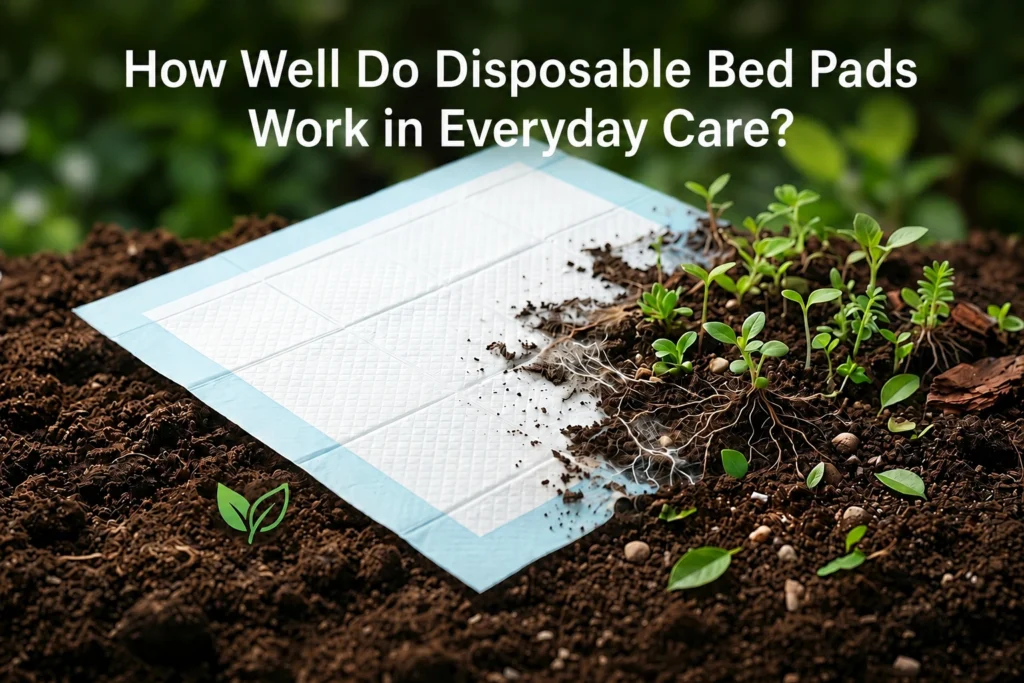
There’s nothing glamorous about a bed pad. It looks like a flattened sheet of cardboard wrapped in soft fabric, and that’s sort of the point; it’s not supposed to draw attention to itself. Peel back what’s actually happening underneath, though, and there’s more in there than the plain packaging lets on.
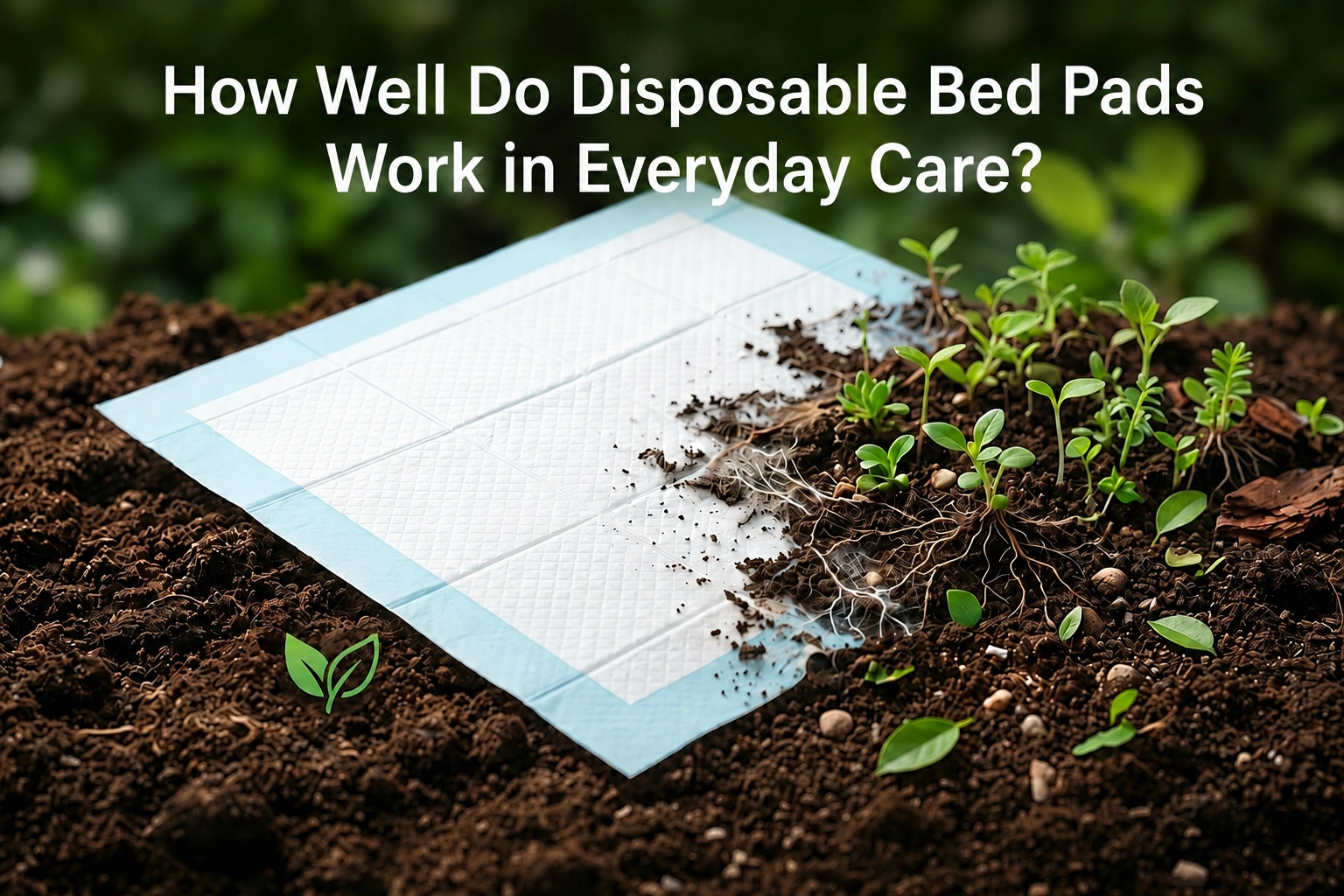
The top layer does the job of feeling dry almost instantly, even as fluid moves straight through it. That’s the part the skin actually touches, so manufacturers spend a surprising number of hours making sure it never feels wet, even seconds after it’s done its job. Underneath it is where the real work happens. There’s a core of cellulose fluff and super-absorbent polymer that grabs liquid and locks it into something closer to gel than water. It’s the same basic chemistry that shows up in diapers, just scaled up and flattened out. At the very bottom sits a thin plastic film doing the one job nobody thinks about until it fails, keeping everything off the mattress.
Where pads actually fall apart, almost always, is at the edges. The center of a pad rarely leaks. The corners do, especially with movement, which is most of what happens in a bed overnight.
Do These Pads Actually Hold Up Overnight?
This is really the question everyone’s asking, even when they phrase it differently. And the honest answer is yes, more reliably than most people expect, but only when the absorbency rating actually matches what it’s being asked to handle.
A moderate pad holds roughly one to three cups before it’s done. That sounds like plenty, until it just stops working, and you find out the hard way. A maximum or overnight-rated pad holds significantly more, often enough for a full eight hours, even with heavier leakage.
Most people get it wrong when they just grab whatever’s cheapest, or whatever happens to be in stock, without really thinking through how much fluid they’re managing.
Typical absorbency levels include:
Absorbency Level | Typical Capacity | Best Suited For | Changes Per Day |
|---|---|---|---|
Light | Up to 1 cup | Light leaks, daytime use, pet or potty training | 1 to 2 |
Moderate | 1 to 3 cups | Mild to moderate incontinence | 2 to 4 |
Heavy | 3 to 5 cups | Bedridden care, postpartum recovery | 4 to 6 |
Maximum / Overnight | 5+ cups | Full-night coverage, hospital and elder care | As needed, usually once overnight |
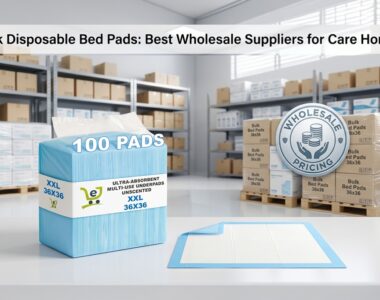
BulkPrice offers bulk disposable bed pads and incontinence underpads for home and hospital use, with sizing options for adult beds, hospital beds, and elder care.
Are Disposable Bed Pads Better Than Reusable Ones for Incontinence Care?
People love arguing this like there’s one correct answer, but there isn’t. Reusable pads cost more upfront and less over time, assuming someone actually has the time, the machine capacity, and, honestly, the stomach for daily loads of laundry involving bodily fluids. That’s a real ask, and it’s exactly why most facilities don’t bother.
Disposable pads cost more month over month, but they pull an entire category of labor off someone’s plate. For a single caregiver managing one person at home, that might not matter much either way. For a nursing home running forty beds, or a parent juggling two kids and a full-time job, it matters enormously. The whole “cheaper over time” argument stops mattering the second you don’t have the time.
Factor | Disposable | Reusable |
|---|---|---|
Upfront cost | Low | Higher |
Ongoing cost | Higher over time | Lower over time |
Time required | None beyond disposal | Daily washing and drying |
Hygiene control | Single use, no cross-contamination | Requires thorough washing every cycle |
Best suited for | Hospitals, travel, busy caregivers, postpartum recovery | Long-term home use with laundry capacity |
Choosing the Right Bed Pads for Caregiving
Disposable bed pads work, but this depends entirely on matching absorbency, size, and placement to whatever’s actually happening on that bed, and that’s the part most buying guides skip over. If you can get those three things right, the stress of the night will go away, since it’s finally performing what it was meant to do.
From caring for a parent to recovering postpartum, or stocking a facility with the right pad in the right quantity, the right pad purchased at the proper volume eliminates the need to worry altogether. If daily changes are already part of your routine, it’s worth a look at the BulkPrice collection, comparing sizes and case pricing side by side. Most people find their fit in under five minutes.
Visit bulk-price for the full lineup of caregiving essentials, priced the way bulk buying should be.
FAQs
Do disposable bed pads really hold up for heavy incontinence overnight?
Yes, but only if you’re using one actually rated for it. A maximum or overnight pad holds five cups or more, easily enough for a full night. Most “it didn’t work” stories trace back to someone using a moderate pad for a heavy situation, not an actual product failure.
How often should you really change one?
Light incontinence, once or twice a day. Moderate, two to four times. Heavy or bedridden care, four to six. None of that matters more than this rule, though: change it the moment it’s wet, schedule or not.
Can disposable bed pads be used on any size mattress?
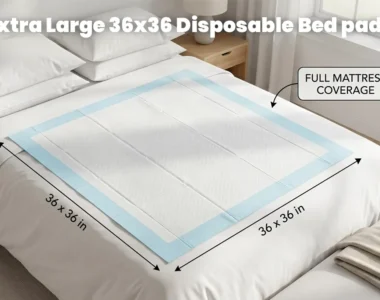
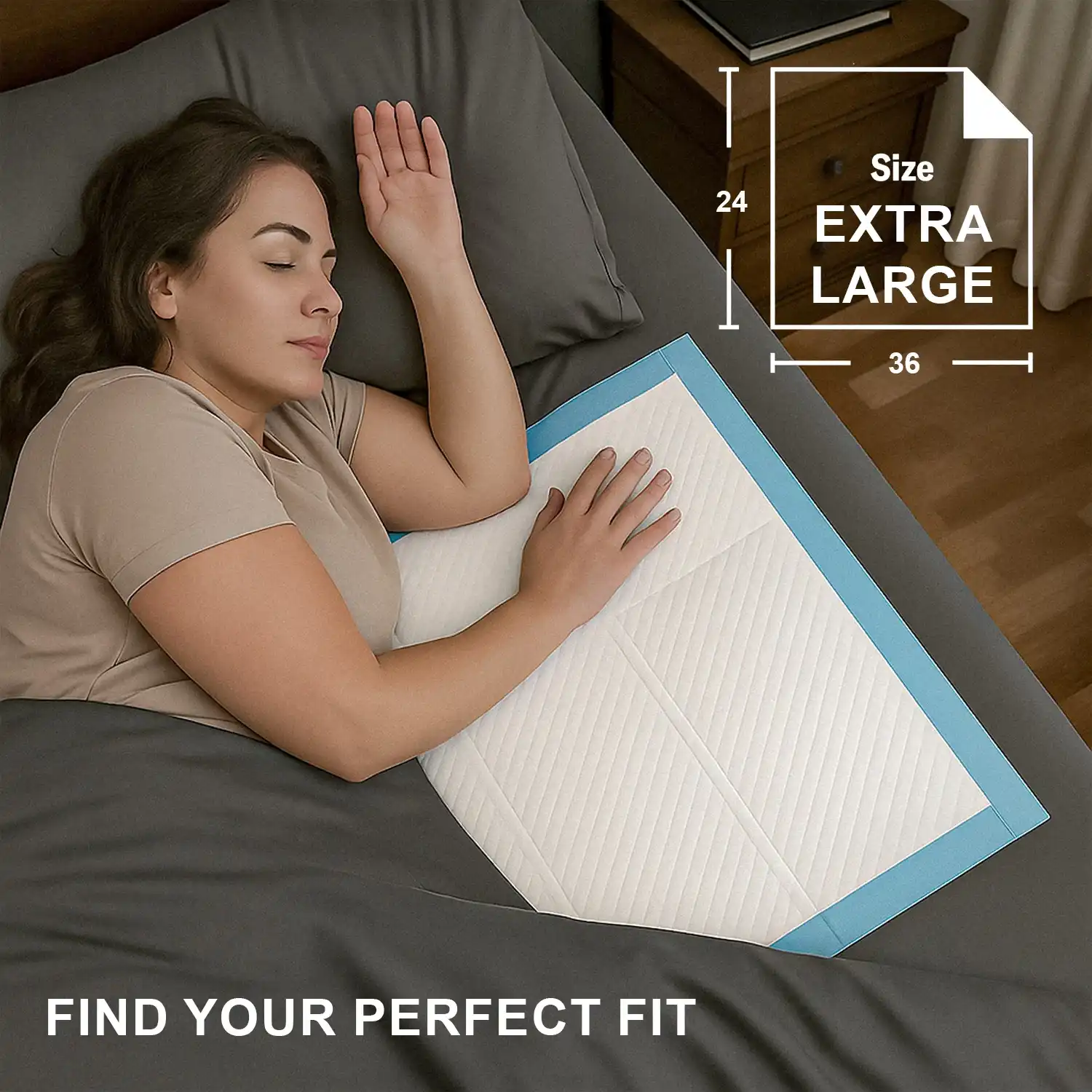
Technically, yes; practically, no. A standard 23 by 36-inch pad works fine on a twin or hospital bed, but it’ll leave half a queen mattress exposed. Go up to 30 by 36 or larger for full-size beds.
What’s the difference between a bed pad and a wearable incontinence pad?
One protects the person, the other protects the surface. A wearable pad fits inside underwear, and a bed pad fits underneath the mattress, sofa, or wheelchair seat. Most caregivers find that they use both of them together overnight.
Can you reuse a disposable bed pad if it’s only slightly damp?
No, and it’s tempting, but don’t. Once moisture reaches the core, the pad’s ability to hold anything else drops, even if the surface still looks dry. It’s a single-use product for a reason.
Ready to place your bulk order? Or still thinking! You can still save money by ordering samples at bulk-price.