
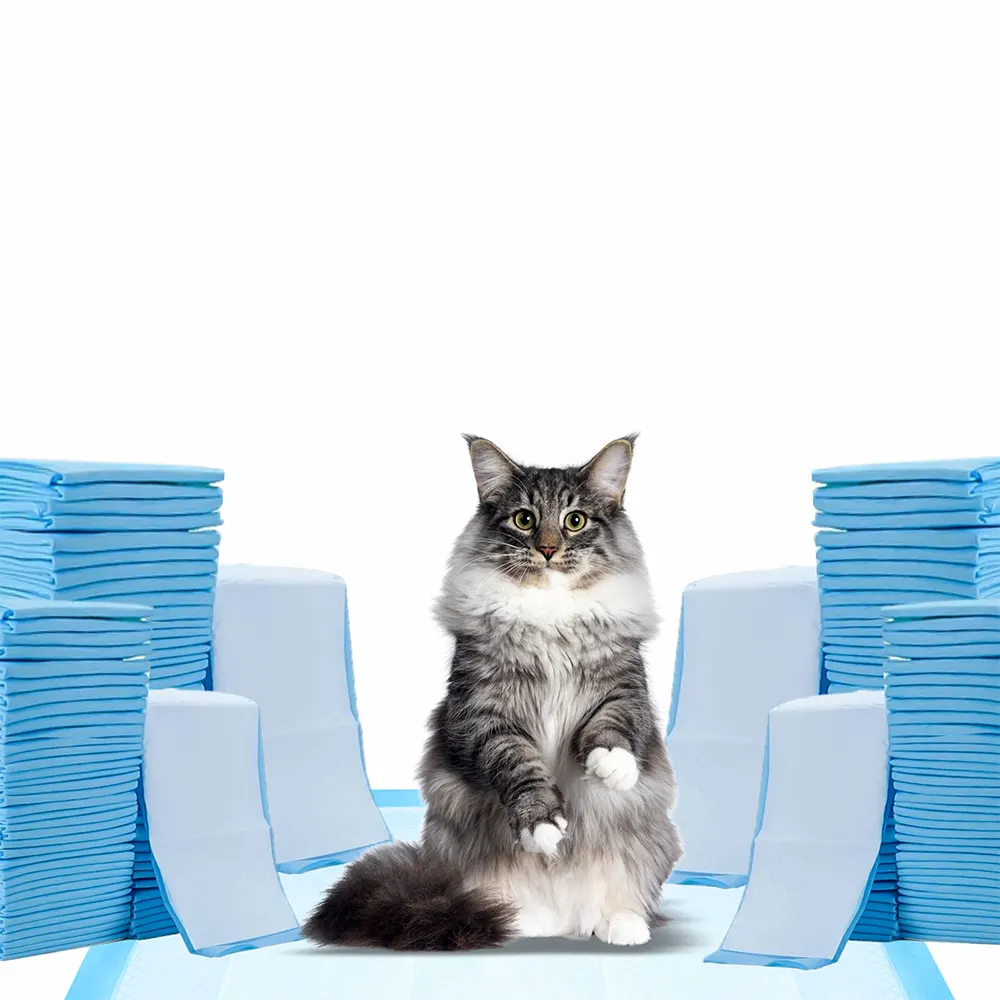


Cat Pee Pads
Cat pee pads are disposable, leak-proof absorbent pads designed to protect floors from cat urine used under litter boxes, in carriers, or wherever accidents happen.
If you’re sick of mopping the floors every morning, these cat pee pads from Bulk-Price are your solution. With six sizes (13×18″ through 36×48″) starting from $89.99 per pack for the 600-count small bulk packs, these pads have leak-proof backing, odor-neutralizing cores, and an anti-slip design for daily indoor use. Nothing seeps out onto the floor: no stains, no smell, no surprises.
-
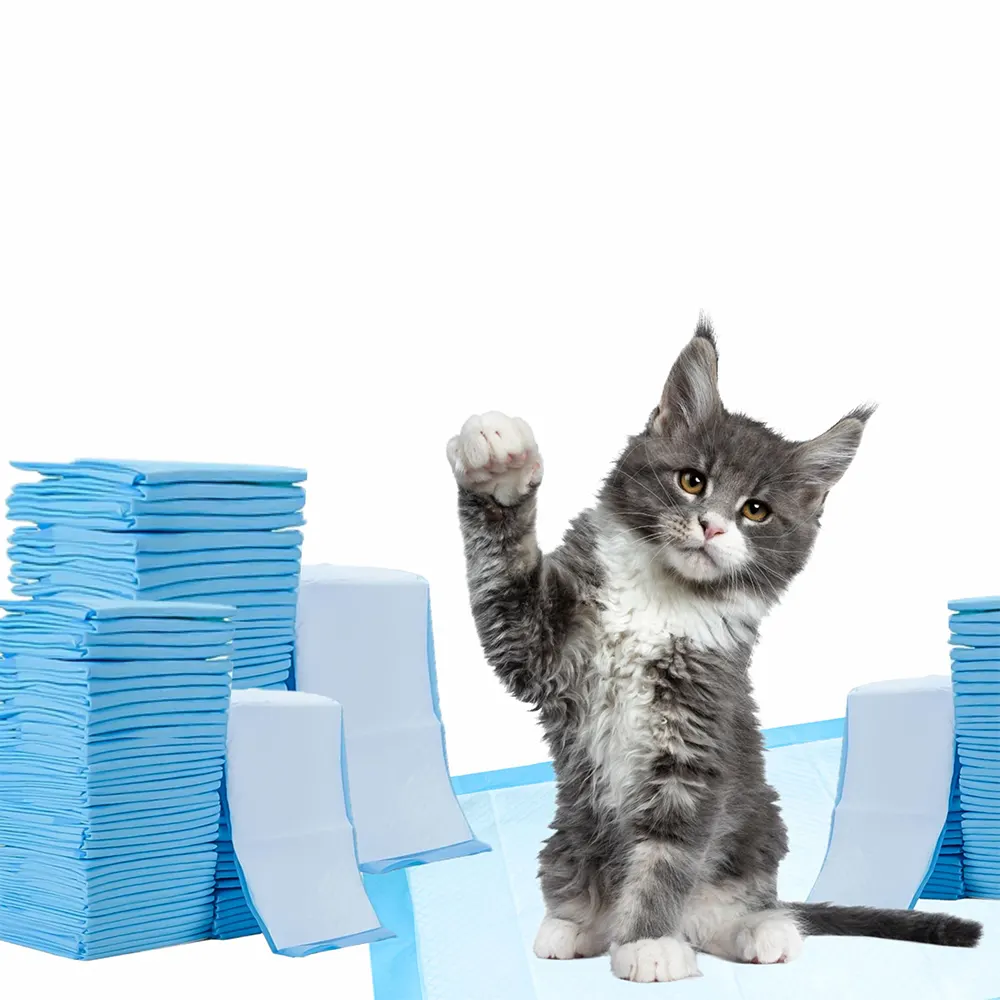
13×18 Odor Control & Leak-Proof Small Cats Pee Pads
13×18 Odor Control & Leak-Proof Small Cats Pee Pads
Leak-proof, odor-control pee pads for small cats and kittens, sized 13×18 inches for clean, stress-free use.
$89.99 -
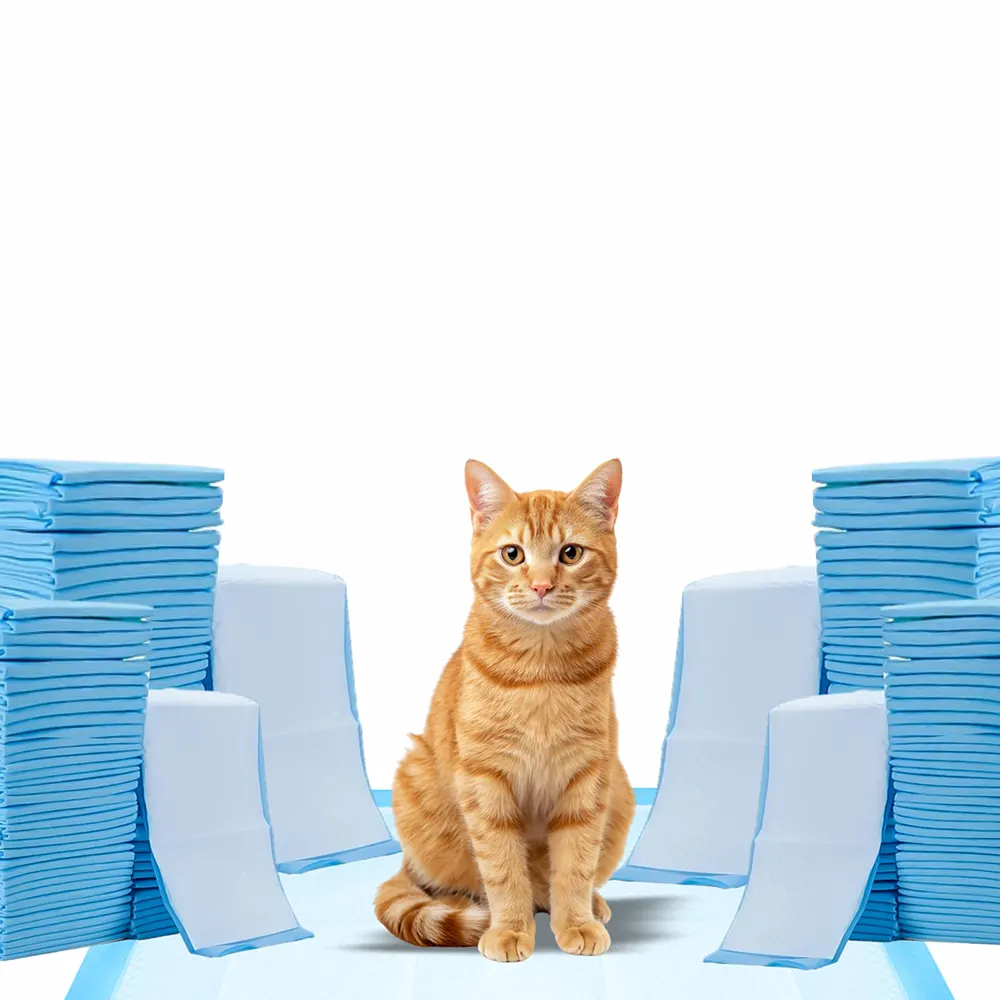
24×36 Leak-Proof & Extra Absorbent XL Cat Pee Pads
24×36 Leak-Proof & Extra Absorbent XL Cat Pee Pads
Extra-large 24×36 inch cat pee pads with leak-proof backing, powerful absorption, and odor control for clean, dry floors.
$151.99 -
36×36 Leak-Proof & Maximum Absorption XXL Cat Pee Pads
36×36 Leak-Proof & Maximum Absorption XXL Cat Pee Pads
XXL Cat Pee Pads 36×36 inch offer maximum absorption, leak-proof protection, and odor control—perfect for large cats, senior felines, and multi-cat homes.
$89.99 -
36×48 Leak-Proof & Ultra Absorbent XXXL Cat Pee Pads
36×48 Leak-Proof & Ultra Absorbent XXXL Cat Pee Pads
XXXL cat pee pads offer extra-large 36×48 inch coverage with ultra absorbent, leak-proof protection. Ideal for giant cats, senior pets, and multi-pet homes to control odors and protect floors.
$33.99 -
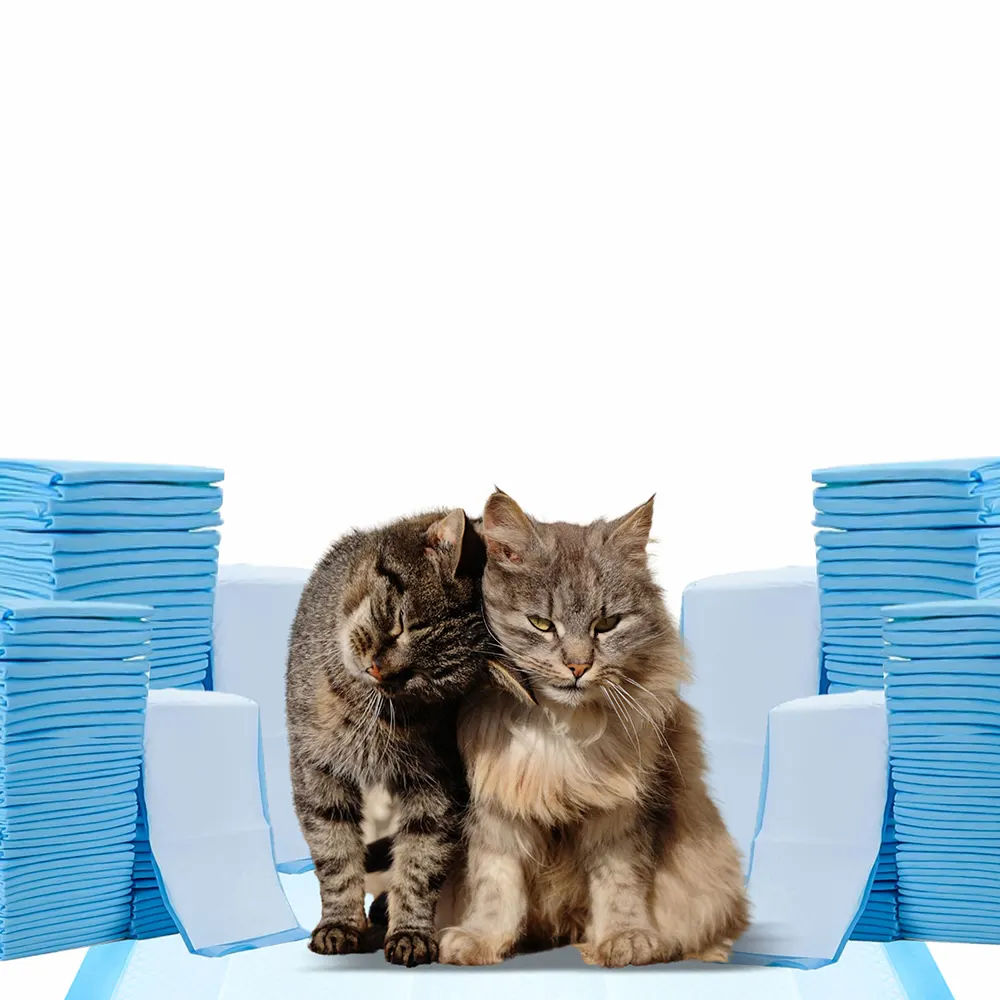
18×24 Leak-Proof & Odor-Neutralizing Medium Cat Pee Pads
18×24 Leak-Proof & Odor-Neutralizing Medium Cat Pee Pads
Leak-proof medium cat pee pads (18×24 inch) with fast absorption and odor control—perfect for daily indoor cat hygiene.
$121.99
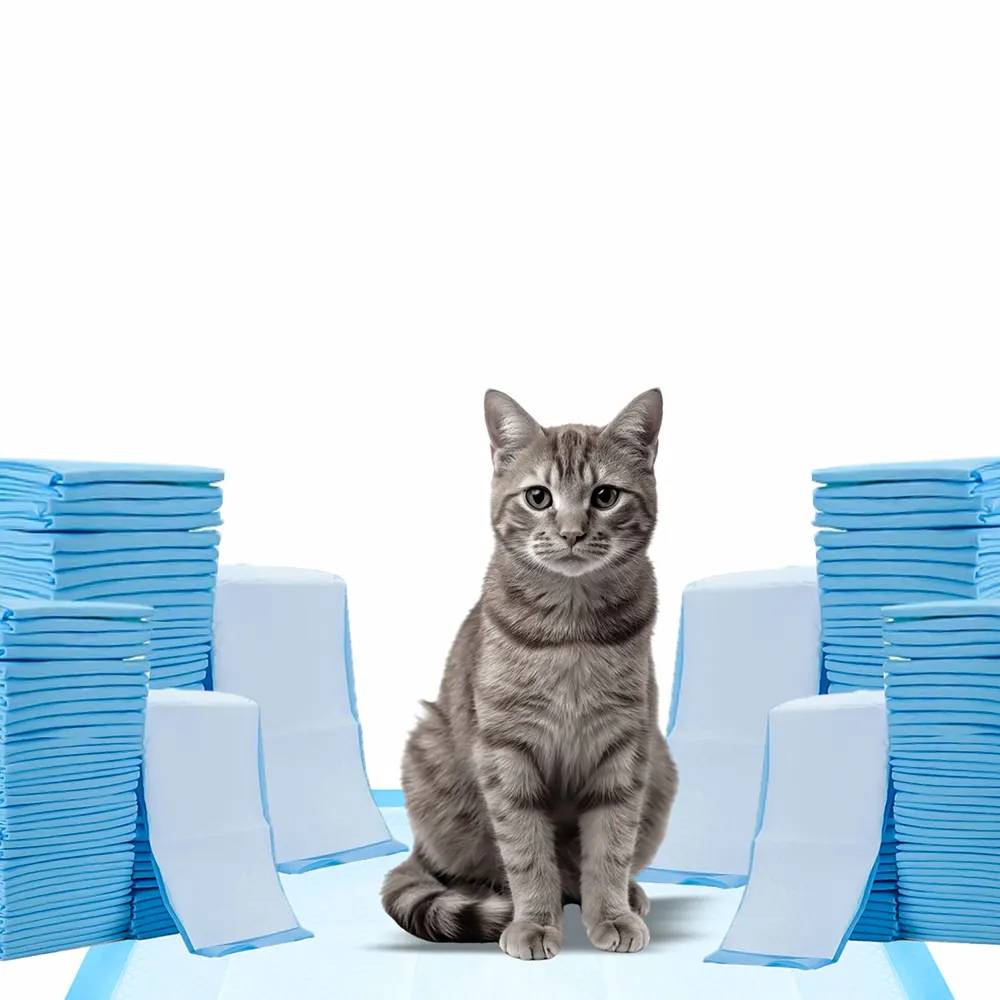
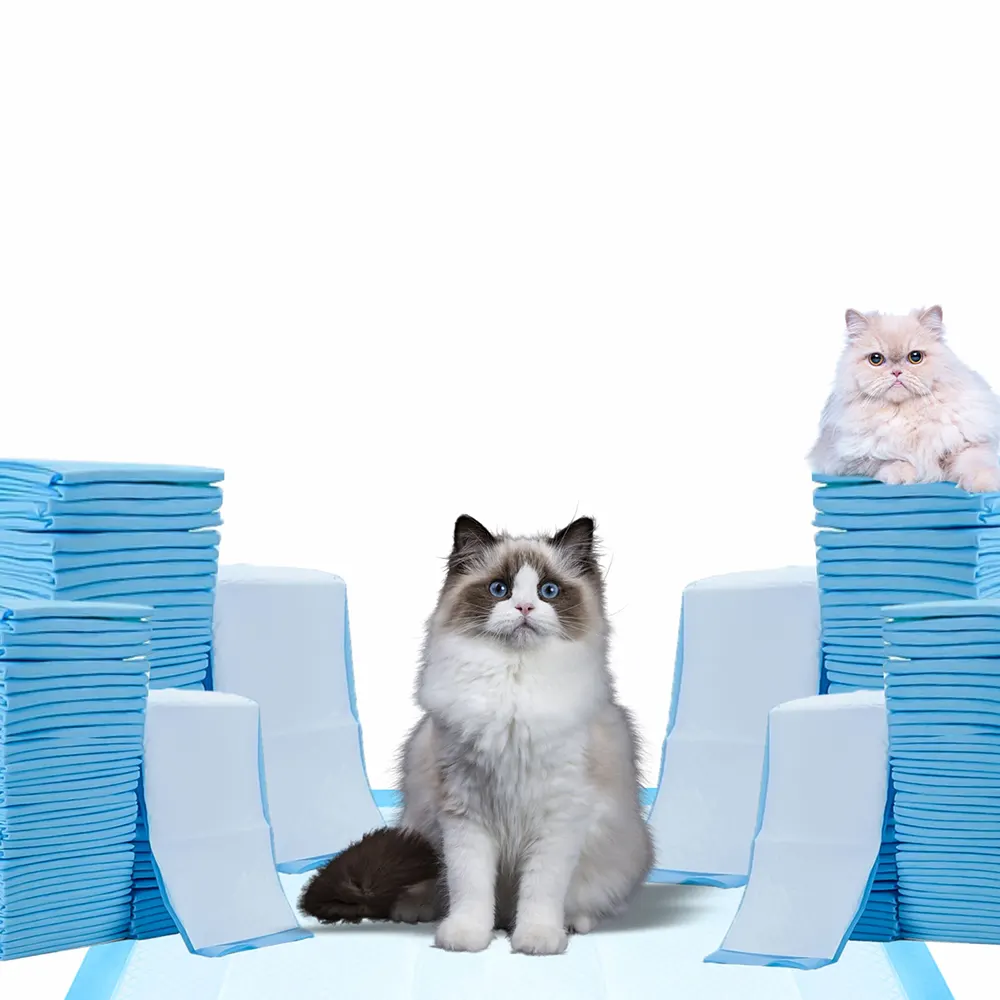
The Real Reasons Cat Owners Stock up on Pee Pads
Most people think pee pads are a dog thing. They’re not. Cat owners reach for them in situations a litter box simply can’t handle, and once you see the list, it makes a lot of sense.
Senior cats often miss the box not out of stubbornness, but because stepping over a high wall hurts. A flat pad beside the box removes that barrier entirely. Post-surgery cats need them too, as litter irritates open incisions, so pads in the recovery crate are the cleaner, safer option.
Cats on diuretics or dealing with a UTI urinate far more than usual, and the box hits capacity fast. A pad beside it catches the overflow without requiring you to scoop every few hours.
Kittens can use them as a bridge to litter training. Place one inside the box early on, then phase it out once the habit sticks. Multi-cat households swear by XL and XXL pads under the whole litter station to catch spray and scatter. And for travel, a small pad folded under carrier bedding means one less disaster to clean up on the road.
Not Sure What Size to Get? Start Here
- Small cat or kitten → Small (13×18″)
- Average adult cat → Medium (18×24″)
- Large cat or male sprayer → XL (24×36″)
- Multiple cats or senior cat → XXL or XXXL (36×36″ to 36×48″)
When in doubt, size up. A larger pad costs marginally more per unit, but eliminates the frustration of floor mopping when your medium pad turns out to be two inches too small.
The Full Cat Pee Pad Size Guide with Actual Prices
Choosing the wrong size is the #1 reason pee pads fail. Here’s exactly what to get based on your setup:
| Size | Dimensions | Count Options | Price | Best For |
| Small | 13×18 inch | Up to 600 ct | $89.99 | Kittens, small breeds, carriers, travel |
| Medium | 18×24 inch | 600 ct | $121.99 | Average adult cats, daily litter box liner |
| Large | 24×24 inch | 200 ct | $144.99 | Standard litter boxes, wider coverage |
| XL | 24×36 inch | 200 ct | $151.99 | Large adult cats, high-aim sprayers |
| XXL | 36×36 inch | 200 ct | $89.99 | Multi-cat homes, senior cats, large litter stations |
| XXXL | 36×48 inch | Bulk packs | $33.99 | Giant breeds, multi-pet households, maximum coverage |
5 Steps to Consistent Use
- Place absorbent side up. Press the four corner adhesive stickers to a clean, dry floor before first use, once wet, the adhesive won’t reposition cleanly.
- Position strategically. Under the litter box, around the perimeter, inside carriers, or wherever your cat frequently misses. Outside the box, not inside it, as cats prefer litter texture for digging.
- Introduce gradually. For established cats, place beside the box first. For kittens, place inside briefly and transition out over 5–7 days.
- Replace every 24–48 hours. In multi-cat homes, daily changes are more realistic. Don’t wait until you can smell it, odor control holds well initially, but degrades after full saturation.
- Dispose sealed. The leak-proof backing keeps waste contained; seal in a bag before binning.
What’s Inside a Bulk-Price Cat Pee Pad
Five layers. Here’s why each one matters, and why cheap single-layer alternatives fail within minutes:
- Top layer, soft non-woven fabric: Gentle on paws, channels liquid down quickly so the surface stays dry.
- Acquisition layer: Spreads liquid across the pad instead of letting it pool in one spot.
- Core — wood pulp + SAP (Super Absorbent Polymer): Converts liquid to gel on contact, holds capacity even under heavy use.
- Tissue barrier: Separates the absorbed gel from the waterproof base.
- Bottom — leak-proof PE film: Nothing reaches the floor, no stains, no smell, no surprises, regardless of how saturated the pad gets.
Cat Pee Pads vs. Other Solutions
Pee pads and litter boxes aren’t competing; they work together. Here’s how pads compare to the alternatives:
| Solution | Best Use Case | Downside |
|---|---|---|
| Cat pee pads | Senior cats, post-surgery, overflow, travel, training | Cats may reject pad texture; daily replacement needed |
| Litter box liners | Inside the litter box, it reduces cleaning time | Cats often puncture them; doesn’t catch outside-box accidents |
| Extra litter depth | Reduces the frequency of full litter changes | Doesn’t help with outside-the-box accidents at all |
| Washable pads | Eco-conscious, multi-pet households | Needs a dedicated wash cycle; less sanitary between washes |
Why Cat Owners Choose Bulk-Price
- 6 sizes, always in stock. No substitutions, no upsells to a size you didn’t want.
- Real bulk pricing. Volume discounts that reflect actual savings, not fake crossed-out retail prices.
- Cat-specific sizing. These aren’t rebranded dog pads. Dimensions and absorbency are calibrated for cat weight, spray volume, and litter box placement.
- No minimums to start. Test with a small pack, then stock up when you’re confident.
- Free shipping on qualified orders.
FAQ
Are pee pads good for cats?
Yes, when used for the right situations. Pee pads are particularly good for senior cats with mobility issues or incontinence, cats recovering from surgery, kittens in training, and any cat that frequently misses the litter box. They’re not a replacement for a litter box in most situations, but they work alongside one to catch what the box misses.
Can you train a cat to use pee pads?
Yes, particularly for kittens. Place a pad inside the litter box initially, then gradually introduce litter over 5–10 days as the dig-and-cover instinct develops. For adult cats, place beside the box rather than replacing litter; texture is a strong cue, and most cats won’t switch surfaces voluntarily.
Should cat pee pads go inside or outside the litter box?
Outside, as a rule. Cats are trained to dig in litter, and smooth pad fabric isn’t what they’re looking for. Place pads beside, under, or surrounding the litter box, not inside it as a litter replacement.
How often should you change cat pee pads?
Every 24–48 hours for a single cat in normal use. Once a pad is fully saturated, you’ll know because the surface stays damp instead of drying between uses; it should be replaced regardless of time elapsed. In multi-cat households, daily changes are more practical. Don’t wait until you can smell it; odor control holds well initially but degrades after full saturation.
Do cat pee pads control odor effectively?
Bulk-Price pads neutralize odor (rather than masking it with fragrance) for roughly 8–12 hours after full saturation. They’re unscented, which matters, because added scents can deter cats from returning to the same area.
Are bulk cat pee pads cheaper than buying smaller packs?
Considerably. The 600-count medium pack at $99.99 works out to roughly $0.17 per pad. Single-use or small-count packs from general retailers typically run $0.22–$0.35 per pad for the same medium size. Over a year of daily changes for two cats, that difference adds up to $40–$100 in savings, depending on your usage rate.
Have More Questions? Contact Us
Pick Your Size, Order in Bulk, Save More
Six sizes, real bulk pricing, and a build that holds. Whether you’re stocking up for a senior cat, managing a multi-cat household, or just tired of floor accidents reaching the grout, there’s a size here that fits. Start with the size guide above, then pick your count.