
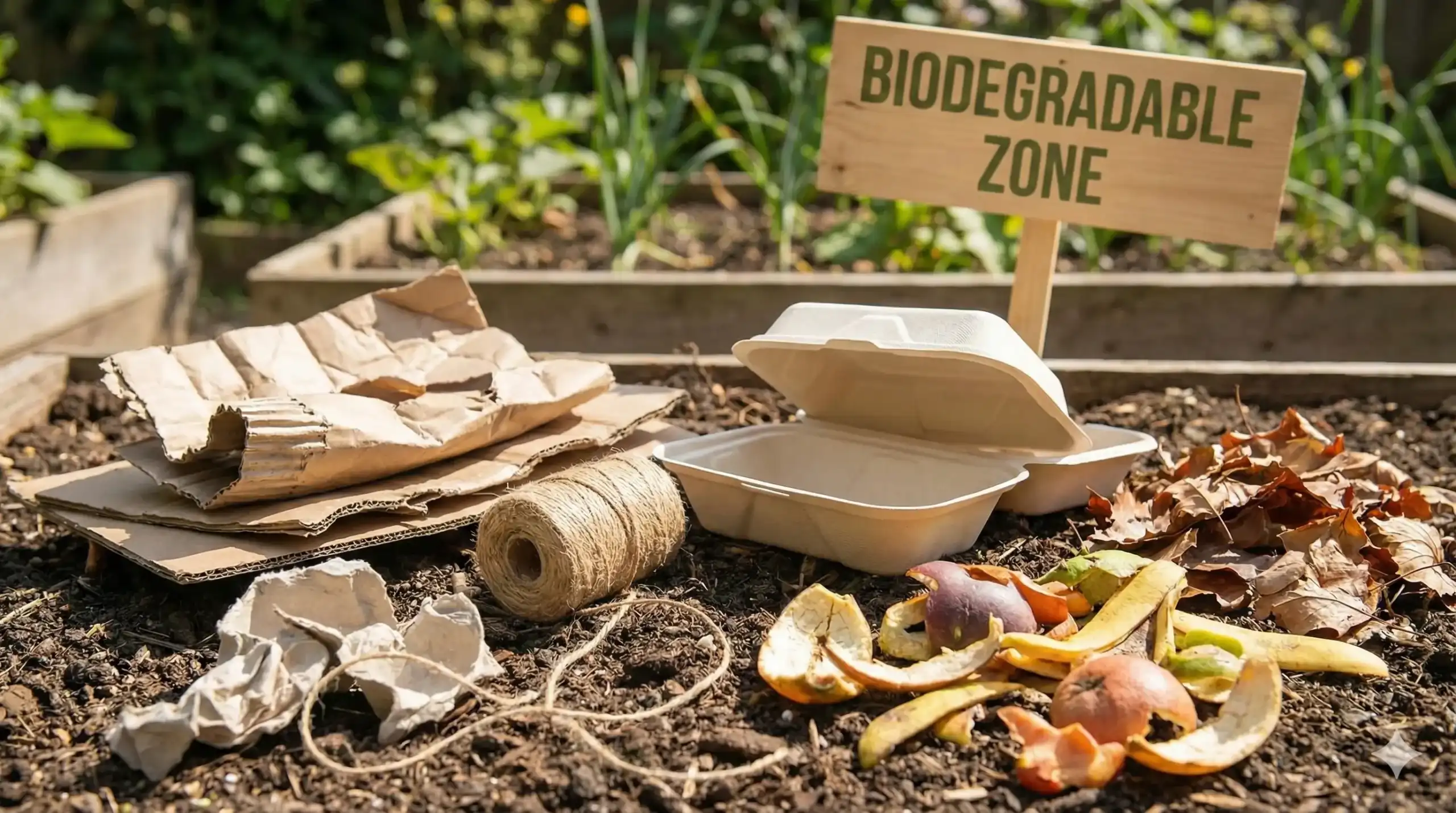
Paper or Plastic? It’s a common question with a big environmental impact. Let’s break down which option is truly better for the planet.
Thinking paper is organic so it must be eco-friendly is wrong. We have to take into consideration how much energy and resources was used during manufacturing. And how durable is the final product? Is it reusable at all? It is easy to recycle? Is it biodegradable?
The answer is not as easy as you think. Sometimes it does take more than four times as much energy to manufacture a paper bag as it does to manufacture a plastic bag. Paper requires trees to be cut down massively. And making paper is not possible without use of chemicals. Paper weight more than plastic and consumes more energy to transport. All of this adds to the impact of paper production on the environment. It adds to its carbon footprint. When picking products, especially bags and other disposable tableware, it is important to make sure the paper was 100% sourced from forests that are managed responsibly.
How Environmentally Friendly is Plastic?
It is true. Paper decomposes much more quickly than common plastic and is also more widely recyclable. On the other hand, paper is much less durable and some paper bags may not be reusable at all.If you replace your paper bags more frequently, it has a greater impact on the environment. There is not a simple answer on whether paper or plastic is better for the environment. They both have upsides and downsides.
Plastic has become an integral part of our daily lives, used in everything from packaging to household items, electronics, and more. However, its environmental impact has been a growing concern. In this blog post, we will explore the environmental friendliness of plastic, examining its benefits and drawbacks, and discussing alternatives that can help mitigate its negative effects.
The Environmental Impact of Plastic
- Non-Biodegradability: One of the most significant environmental issues with plastic is its non-biodegradable nature. Traditional plastics can take hundreds to thousands of years to decompose, leading to long-term pollution in landfills and natural environments.
- Marine Pollution: Plastics often end up in oceans and waterways, where they pose severe threats to marine life. Animals can ingest plastic debris or become entangled in it, leading to injury or death. Microplastics, tiny plastic particles, have been found throughout the marine food chain, impacting ecosystem health and potentially human health.
- Resource Intensive Production: The production of plastic is resource-intensive, relying heavily on petroleum, a non-renewable resource. The extraction and processing of petroleum contribute to environmental degradation, including habitat destruction, air and water pollution, and greenhouse gas emissions.
- Chemical Pollution: Plastics can release harmful chemicals into the environment during production, use, and disposal. Additives like phthalates and bisphenol A (BPA) can leach into soil and water, posing health risks to humans and wildlife.
The Case for Better Plastic: Biodegradable and Biobased
Not all plastics are made from oil. Not all plastics are bad. Usually plastic starts as crude oil, natural gas or other petrochemical derivatives. It is then transformed into chains of hydrogen and carbon molecules known as polymers or polymer resin. Many plastics have now a degradable additive to help them break down quicker.
And bioplastics are now a thing. Also known as biobased plastic made from plant or other biological material. Plastic materials can be produced from renewable biomass sources such as food waste, corn starch, straw, woodchips, vegetable fats and oils. Bio-based plastics have benefits.
But not all bioplastics are biodegradable. Many requires intense heat to degrade in a meaningful timeframe. If they end up in the ocean instead of landfills, they break down into very small pieces and last for decades while endangering marine life.
Frequently Asked Questions
1. Which is more environmentally friendly: paper or plastic?
Neither is completely eco-friendly. Paper is biodegradable and renewable, but its production requires more water and energy. Plastic, while durable and lightweight, causes long-term pollution and takes hundreds of years to decompose.
2. Why is plastic considered harmful to the environment?
Plastic contributes to pollution because it does not easily break down and accumulates in oceans and landfills. It also produces microplastics that harm wildlife and ecosystems.
3. Is paper always a better alternative to plastic?
Not always. Paper production can lead to deforestation, high water usage, and significant energy consumption. In some cases, switching to paper may not reduce overall environmental impact.
4. Which option has a lower carbon footprint?
Plastic often requires less energy to produce and transport due to its lightweight nature, resulting in a lower carbon footprint in some scenarios. However, its disposal impact is much worse.
5. What is the best eco-friendly alternative to both paper and plastic?
Reusable and recyclable materials are the best choice. Experts suggest focusing on reducing single-use items altogether, as reuse systems generally have the lowest environmental impact regardless of material.