In a world increasingly aware of plastic pollution and climate change, biodegradable tableware stands out as a game-changer. From vibrant family dinners to large-scale events, this eco-conscious choice offers aesthetic appeal and environmental responsibility.
1. Experience: Real-World Use of Biodegradable Dining Items
-
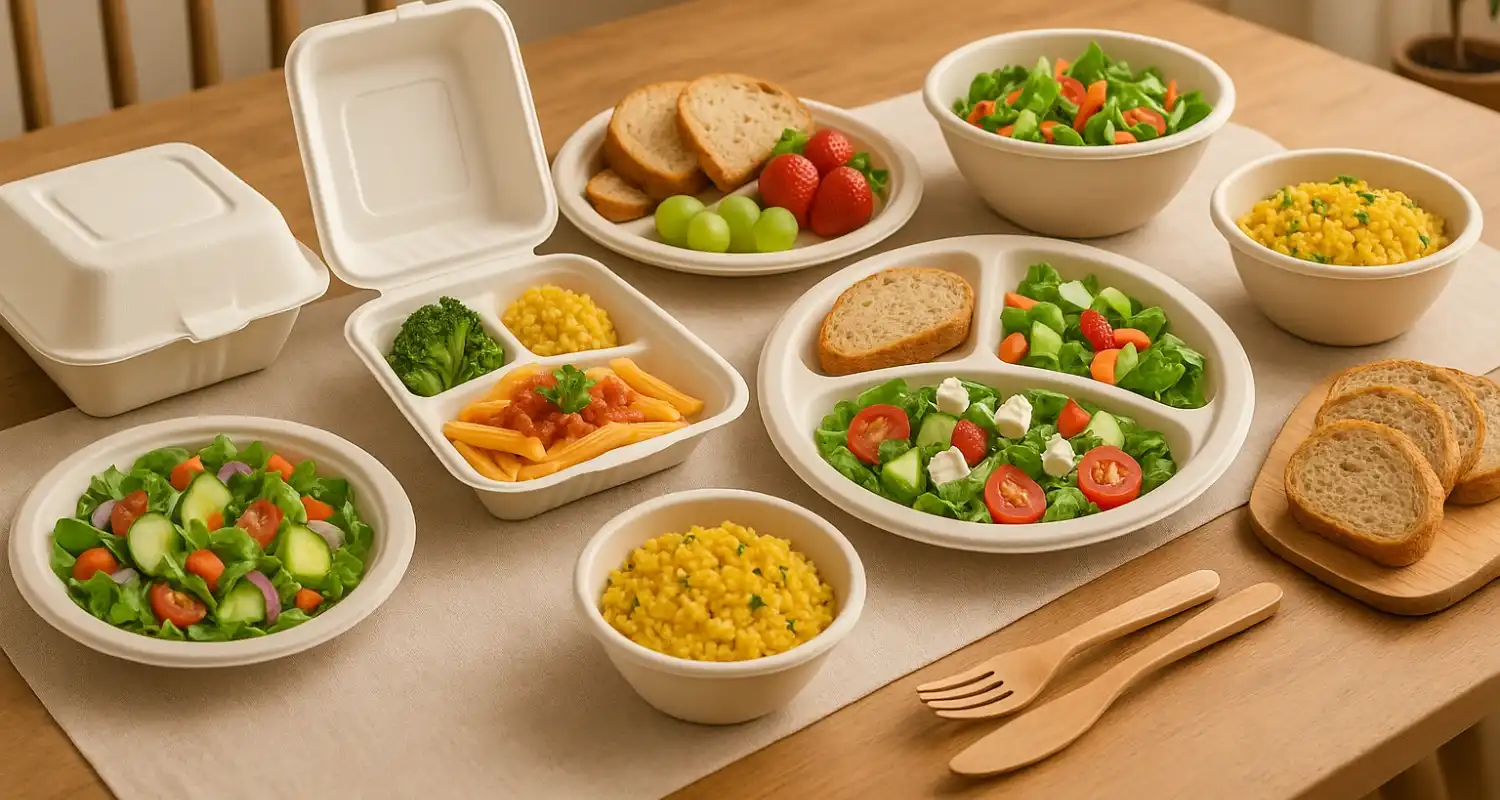
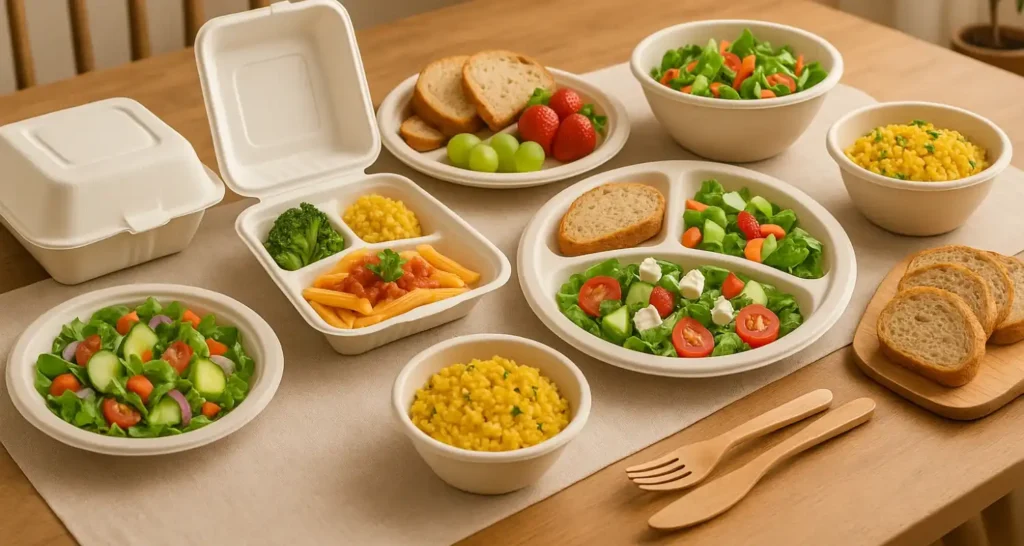
- Household insights: Families tell us their bagasse-based biodegradable bowls and plates perform like traditional tableware—strong enough for soups, sauces, and even reheating in the microwave.
-
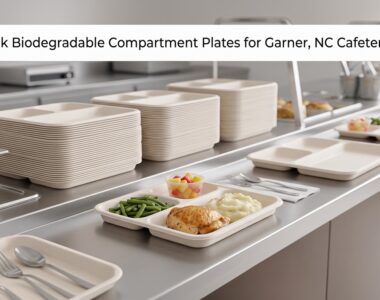
- Business scenarios: Caterers report that Biodegradable 3-Compartment 10” plates hold hot meals without leaking, making them ideal for balanced portions and avoiding cross-contamination.
-
- Event experiences: Users of oval biodegradable plates have praised their elegant shape for casual lunches and buffets—combining convenience with style.
These firsthand stories show that biodegradable tableware isn’t just environmentally sound—it delivers on everyday demands, too.
2. Expertise: Understanding the Materials & How They Work
What Is Biodegradable Tableware Made Of?
Most items are crafted from bagasse, the fibrous residue left after sugarcane is processed. This renewable resource is compostable, heat-resistant, and sturdy enough for typical meal service.
How It Degrades
Under proper conditions—like industrial composting—these items break down completely in 60–90 days, returning to the soil without harmful residues.
Usage Safety
-
- Safe for hot and cold foods, including liquids.
-
- Suitable for microwave and freezer use, adding versatility.
-
- Durable enough for real-life dining contexts, from picnics to formal gatherings.
3. Authority: Backed by Research & Industry Standards
Industry Certifications
While biodegradable materials don’t always carry compost-certification, compostable items meet standards like ASTM D6400 or EN 13432.
Comparative Impact
Research indicates that bagasse products decompose within 45–90 days and stem from renewable sugarcane byproducts. In contrast, plastic or foam tableware can persist for decades, leaching microplastics into the environment.
4. Trust: Transparent Communication & Sustainable Practices
Material Sourcing & Liability
Bagasse is a by-product of sugarcane extraction—a sustainable cycle that transforms agricultural waste into useful products, helping divert mass from landfills.
Disposal & Real-World Use
These items are fully compostable in commercial facilities, and degrade safely without leaving toxic residues. For households lacking industrial composting, local municipal green-waste programs are often a viable option.
Sizing & Pricing
Options range from small (6”, 6 oz) to large (10” plates, 12 oz bowls), and various shapes—square, round, oval, compartmentalized—accommodating events of all sizes.
5. Why Choose Biodegradable Tableware?
-
- Eco-friendly disposal: Significantly reduces plastic waste and landfill burden compared to polystyrene or plastic alternatives.
-
- Convenience: Ideal for single-use without rinsing—especially useful for large gatherings.
-
- Performance: Tested to reliably hold liquids and withstand reheating.
-
- Versatility: From business lunches to backyard barbecues, these products adapt to a wide range of settings.
6. Tips for Choosing & Using Biodegradable Tableware
-
- Know your disposal options:
- Home/municipal compost? Opt for certified compostable items.
-
- Landfill-bound waste? Bagasse-based biodegradable still degrades faster than plastic.
- Know your disposal options:
-
- Match product to meal type:
- Use 3-compartment plates for separate dishes.
- Oval plates suit shared appetizers and entrees.
-
- Bowls (6–12 oz) are ideal for soups, desserts, or snacks.
- Match product to meal type:
-
- Buy bulk:
- Economies of scale make biodegradable tableware more affordable.
-
- Bulk-Price.com offers price breaks per case on most items.
- Buy bulk:
-
- Check disposal disclaimers:
-
- Only compostable items degrade fully in compost. Biodegradable items should go to compost or acceptable green-waste bags.
-
- Check disposal disclaimers:
-
- Storage tips:
-
- Keep products in cool, dry areas to maintain structural integrity.
-
- Storage tips:
Future-Ready Tableware
If you’re ready to combine convenience with conscience, biodegradable tableware made from bagasse offers a smart, planet-positive solution. Visit Bulk-Price.com to explore bulk options—from elegant oval platters to practical snack bowls. Make the sustainable switch today, and trust you’re making a difference!
Frequently Asked Questions (FAQ)
1. What materials are used in biodegradable tableware?
Biodegradable tableware is typically made from natural, renewable materials such as sugarcane bagasse, cornstarch (PLA), bamboo, palm leaves, or paper pulp. These materials break down naturally without leaving harmful residues.
2. How long does biodegradable tableware take to decompose?
Most biodegradable tableware decomposes within 60–90 days in industrial composting conditions, though it may take a few months longer in home composting environments.
3. Is biodegradable tableware safe for hot food and microwave use?
Yes, most products are heat-resistant, microwave-safe, and suitable for both hot and cold foods, making them practical for everyday meals and catering needs.
4. Are biodegradable plates and bowls strong and leak-proof?
Absolutely. Despite being eco-friendly, they are durable, sturdy, and designed to hold liquids and heavy meals without leaking, performing similarly to traditional disposable tableware.
5. How should biodegradable tableware be disposed of?
The best disposal method is composting. If industrial or municipal composting facilities are available, they ensure faster breakdown, though items will still degrade naturally over time compared to plastic.